Wondering whether a Spring Hill rental property will actually work on paper, not just in a listing photo? That is the right question to ask before you buy. If you are looking at a single-family home, condo, or townhome in this part of Hernando County, you need more than a rough rent estimate to make a smart decision. In this guide, you will see what savvy investors review before buying a rental in Spring Hill, from taxes and assessments to flood risk, utilities, and HOA rules. Let’s dive in.
Spring Hill rental market basics
Spring Hill is a large census-designated place in Hernando County with a population of 113,568, based on the 2020 Census. Census QuickFacts also shows an owner-occupied housing rate of 80.3%, median gross rent of $1,440, median value of owner-occupied homes of $288,500, and median household income of $68,432. That points to a primarily owner-occupied suburban market with a meaningful, steady renter base.
The local household mix matters too. Census data shows 22.8% of residents are age 65 and older, while 19.8% are under 18. For you as an investor, that suggests tenant demand may come from several groups, including retirees, downsizers, and households looking for a more stable suburban setting.
Another useful signal is resident stability. In Spring Hill, 88.3% of residents lived in the same house one year earlier, and 93.4% of households reported broadband internet. Those numbers can support the case for longer-term tenants who value consistency and connectivity.
Why underwriting matters here
One of the biggest mistakes rental buyers make is assuming rent will leave plenty of room for profit. In Spring Hill, median gross rent is $1,440, while median monthly owner cost with a mortgage is $1,506, according to Census data. That does not mean every deal is tight, but it does mean you should avoid broad assumptions.
Instead, review each property with real numbers. Insurance, taxes, county assessments, maintenance, vacancy, and utility setup can all shift the picture quickly. A home that looks fine at first glance can become much less attractive once those costs are added.
Property types you will likely see
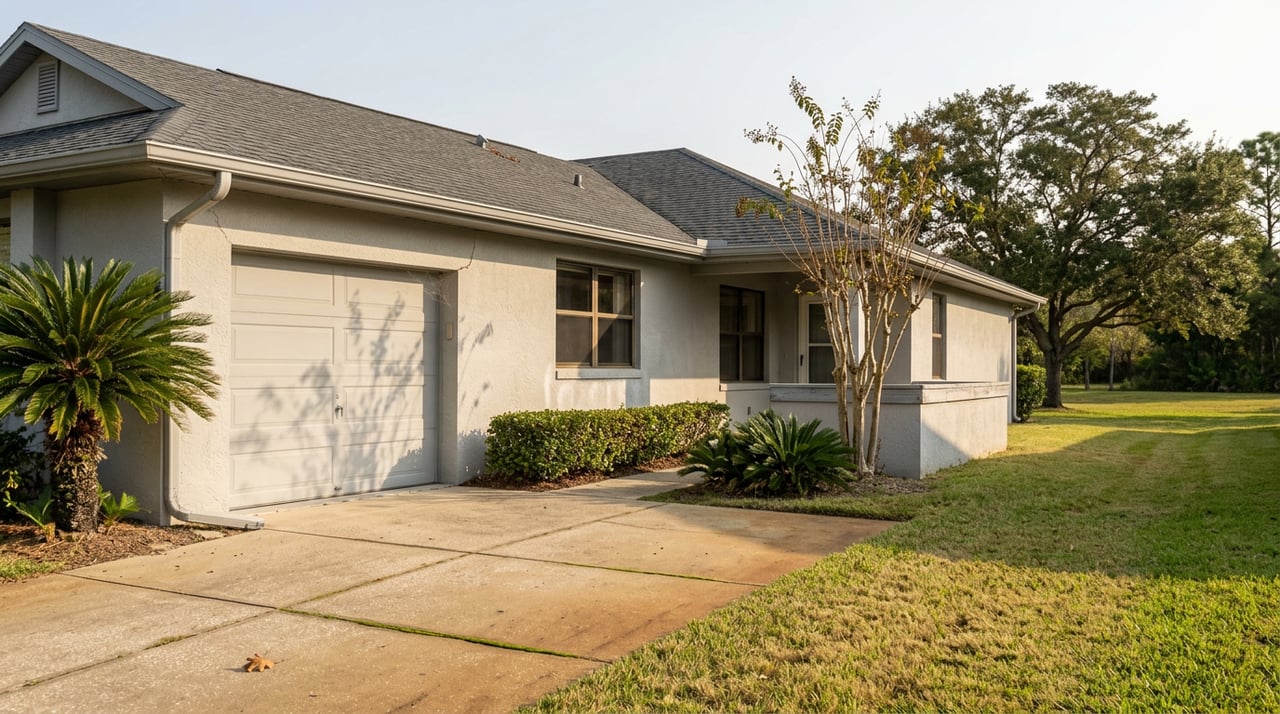
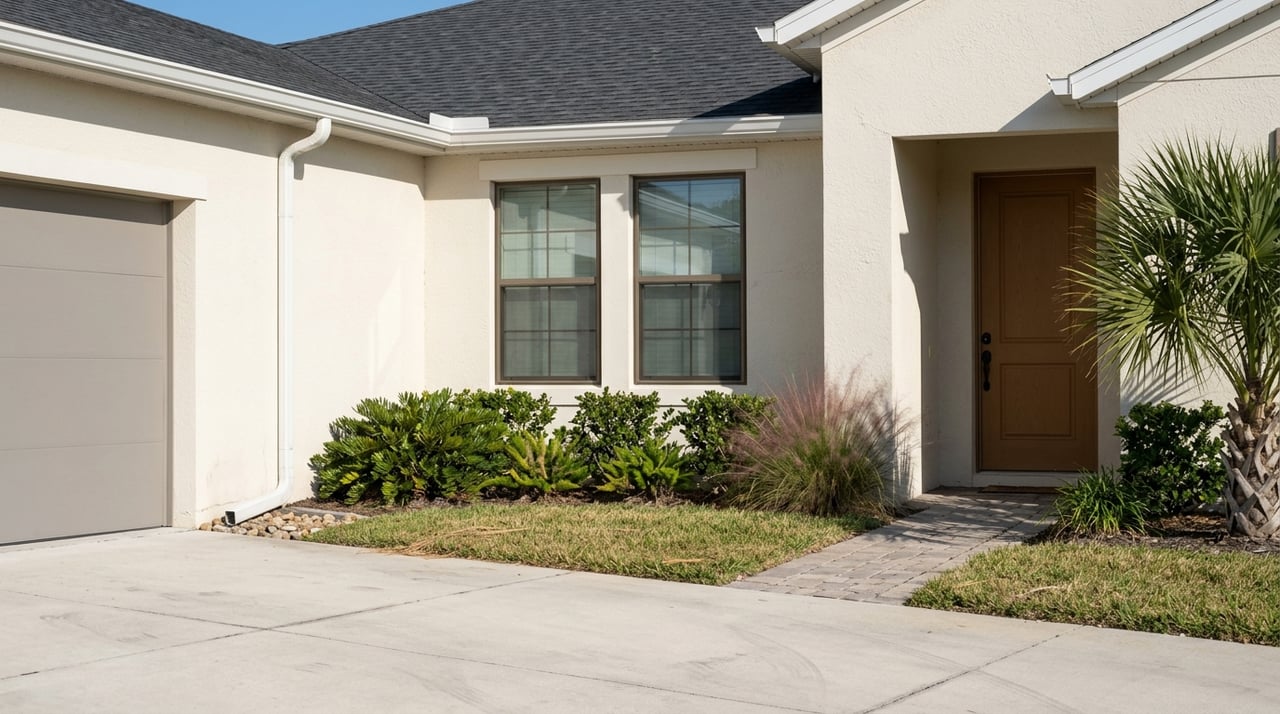
Spring Hill was described in a Hernando County planning report as an unincorporated urbanized area whose original plan emphasized mostly single-family homes, commercial nodes, and clusters of multifamily housing. The same report said the original community had more than 30,000 lots and was about 87% built out in 2013. In practical terms, that means many investors will be reviewing existing suburban homes rather than brand-new purpose-built rental stock.
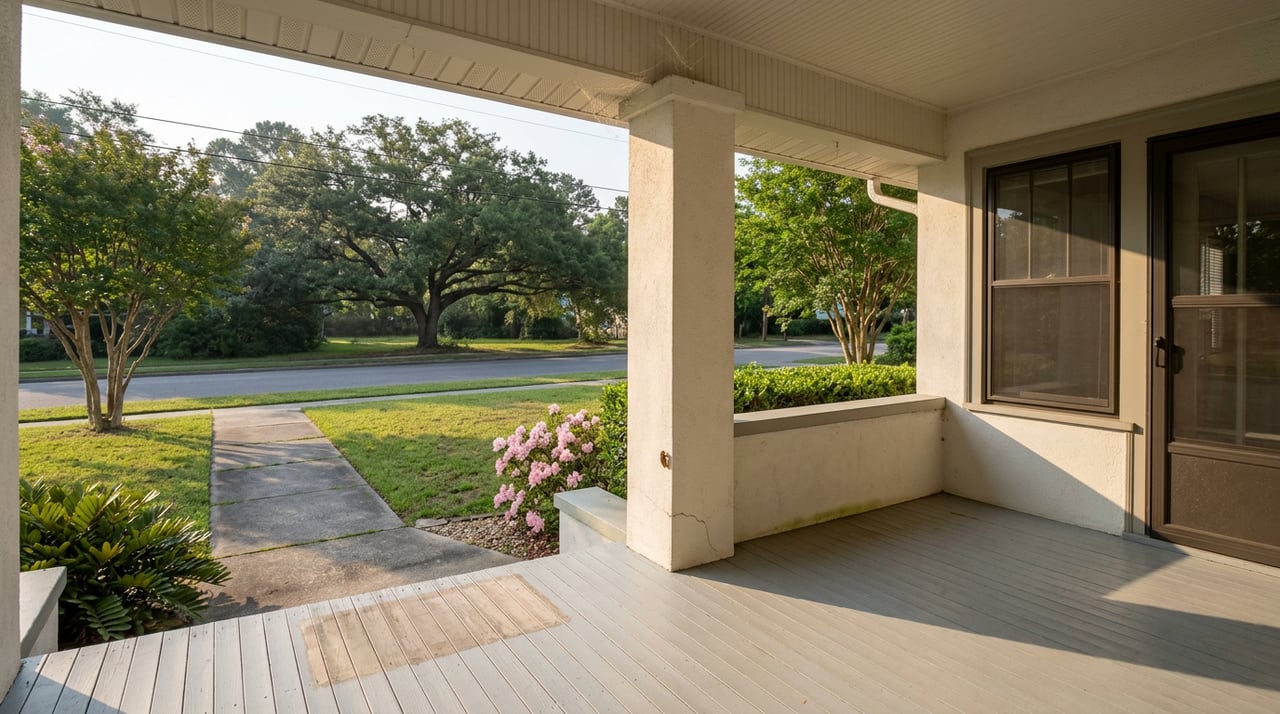
That can be a plus if you want familiar product types and established streetscapes. It also means condition varies from property to property, and age-related upkeep should be part of your review. You may also find condos, townhomes, and smaller multifamily pockets, but detached homes are likely to be the most common target.
Countywide, Hernando County reported 1,975 building permits issued in 2025. New supply can create competition for resale rentals, so it is wise to compare your target property not only against similar existing homes, but also against newer options entering the market.
Costs beyond the mortgage payment
If you are buying a rental in Spring Hill, your review should go beyond principal, interest, taxes, and insurance. Hernando County uses non-ad valorem assessments that can add to your annual carrying cost. For a typical single-family home in the covered area, the county lists a solid waste disposal assessment of $98.04 and a Spring Hill universal-area solid waste collection assessment of $217.37, for a combined total of about $315.41 per year.
Those charges help cover services such as curbside garbage, recycling, yard waste, and bulk pickup. They are separate from the simple rent-versus-mortgage math many buyers start with. Even smaller annual charges matter when you are measuring cash flow closely.
You should also check for parcel-specific MSBU charges. Hernando County uses MSBUs for items such as street lighting, fire protection, drainage, road paving, and some water and sewer projects. The county notes that Spring Hill has a street-lighting MSBU, so the tax bill deserves a close look before you commit.
Property taxes and homestead status
Rental buyers should be careful not to budget taxes as if they will receive owner-occupant treatment. Hernando County’s homestead application states that owners had to own and occupy the home by January 1, 2026 to qualify for the 2026 homestead exemption. A rental property generally will not qualify if you are not occupying it as your residence.
That sounds simple, but it is a common place where buyers underestimate future expenses. If you are comparing a home that is currently owner-occupied with your projected investor costs, make sure your estimate reflects the property’s likely non-homestead tax situation after purchase.
Utility setup can change your risk
Not every Spring Hill property is set up the same way for water and sewer. Hernando County says the West Hernando water system is the largest and serves the Spring Hill community, but county planning documents also note that some residents are served by private wells. That means utility due diligence should happen early, not after you are under pressure to close.
You should confirm whether the property is on county water and sewer or on a well and septic system. Ownership responsibilities can differ, and repair or replacement planning may look very different depending on the setup. For a rental, that can affect both your operating budget and how you handle future maintenance.
Flood and storm review is essential
In Florida, physical risk review is not optional, especially for a rental. Hernando County states that homeowners’ and renters’ insurance typically do not cover flood damage, and flood policies usually take 30 days to become effective. The county also notes that flood claims still happen outside high-risk zones.
The official source for flood-zone review is the FEMA Flood Insurance Rate Map, according to Hernando County. The county also says local watershed data may affect development even when a property is outside a mapped flood zone. For you, that means a simple “not in a flood zone” assumption may not be enough for decision-making.
Hernando County’s mitigation planning also highlights floods and hurricanes as key hazards. When you review a property, think about insurability, drainage, roof condition, site elevation, and how storm exposure could affect both carrying costs and tenant appeal over time.
HOA and condo rules can make or break rentability
Because Spring Hill is unincorporated, you should not assume there is one citywide rental ordinance controlling your purchase. In many cases, the more important review is the property’s recorded community documents, including declarations, bylaws, and condo documents where applicable. A home that seems rentable in theory may have restrictions that change your plan.
Florida HOA law gives buyers an important framework to understand. Under section 720.306, an amendment adopted after July 1, 2021 that prohibits or regulates rental agreements generally applies only to owners who acquire title after the amendment takes effect or to owners who consent. The same statute also allows associations to adopt rules limiting rentals to less than six months and to prohibit renting a parcel more than three times in a calendar year, and those specific rules can apply to all parcel owners.
That means you need to review more than a simple yes-or-no answer on leasing. It is smart to ask about minimum lease terms, annual rental caps, approval requirements, tenant screening steps, and whether the community has recently discussed amending its rules. Florida law also allows HOA governing documents to be amended by a two-thirds vote of the voting interests unless the documents say otherwise, so today’s leasing rules may not stay the same forever.
If the property is a condominium, treat it as a separate level of due diligence. Condo declarations, bylaws, budgets, and lease language should all be reviewed carefully before you assume the unit can be rented without friction.
A practical review checklist
Before you buy a rental in Spring Hill, make sure you review these items closely:
- Current and realistic rent expectations for that exact property type
- Property taxes based on likely non-homestead ownership
- Non-ad valorem assessments, including solid waste charges
- Any parcel-specific MSBU assessments
- HOA or condo leasing rules and approval steps
- Water and sewer versus well and septic setup
- Flood-zone status and broader storm-risk factors
- Insurance availability and expected cost
- Property condition, especially roof, drainage, and major systems
- Competing supply, including newer homes entering the market
A checklist like this helps you move from guesswork to actual underwriting. It also makes it easier to compare two similar-looking homes that may perform very differently once the real costs are clear.
Why local guidance helps investors
Spring Hill can make sense for small investors who want a suburban rental in Hernando County, but it is not a market where you should buy based on broad assumptions. The details matter. A mature housing stock, county assessments, mixed utility setups, and community leasing rules all create differences from one property to the next.
That is where local, on-the-ground guidance can help. When you work with a team that knows Spring Hill street by street, you can spot red flags earlier, ask better questions, and make decisions with more confidence. If you are thinking about buying a rental in Spring Hill and want practical local insight, connect with Brian Kupres for personalized guidance.
FAQs
What should you review before buying a rental in Spring Hill?
- You should review rent expectations, taxes, county assessments, HOA or condo lease rules, flood risk, insurance costs, utility setup, and the property’s overall condition before you buy.
Are Spring Hill rental properties mostly single-family homes?
- In many cases, yes. County planning context suggests Spring Hill inventory is largely made up of existing suburban detached homes, along with some condo, townhome, and multifamily pockets.
Do Spring Hill rental buyers need to check county assessments?
- Yes. Hernando County lists non-ad valorem charges such as solid waste assessments, and some parcels may also carry MSBU assessments for items like street lighting, drainage, or other improvements.
Can an HOA in Spring Hill limit rentals?
- Yes. HOA and condo documents can affect lease terms, approval procedures, and how often a property may be rented, so those documents should be reviewed carefully before purchase.
Does flood risk matter if a Spring Hill home is outside a high-risk zone?
- Yes. Hernando County says flood claims still occur outside high-risk zones, and homeowners’ and renters’ insurance typically do not cover flood damage.
Why does utility setup matter for a Spring Hill investment property?
- It matters because some properties are on county water and sewer while others may rely on a private well or septic system, which can change maintenance responsibilities and future costs.