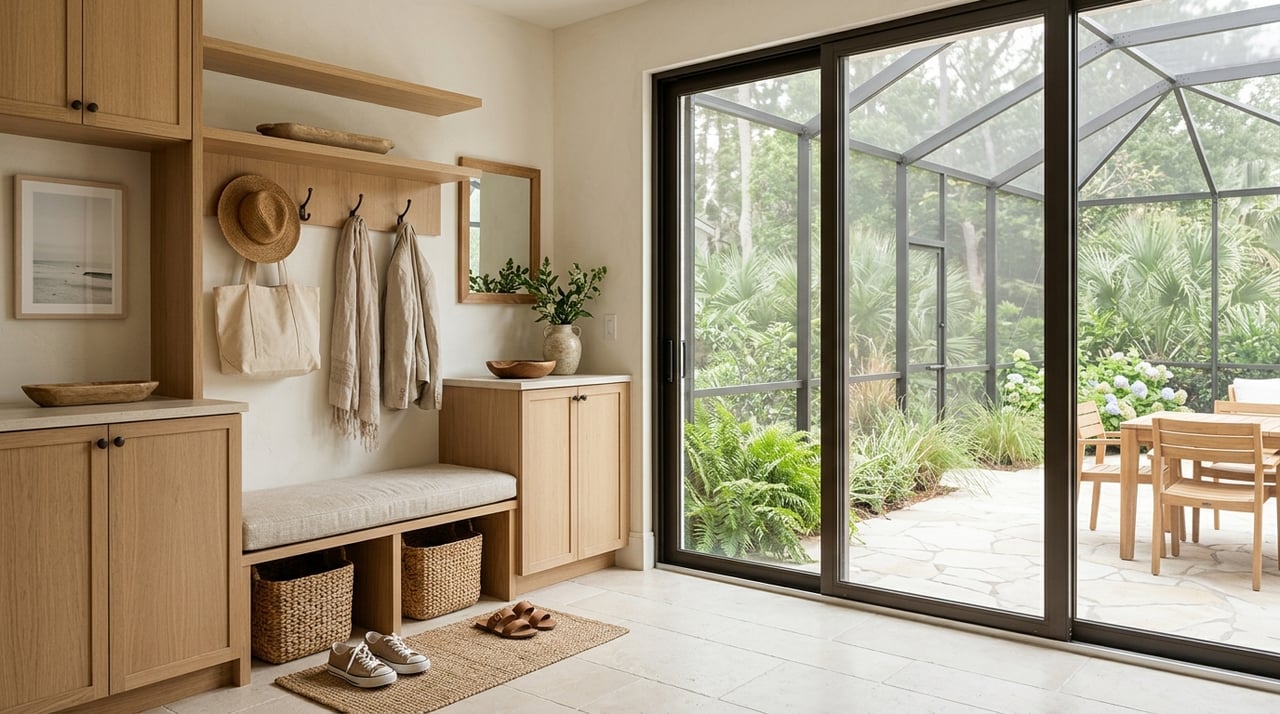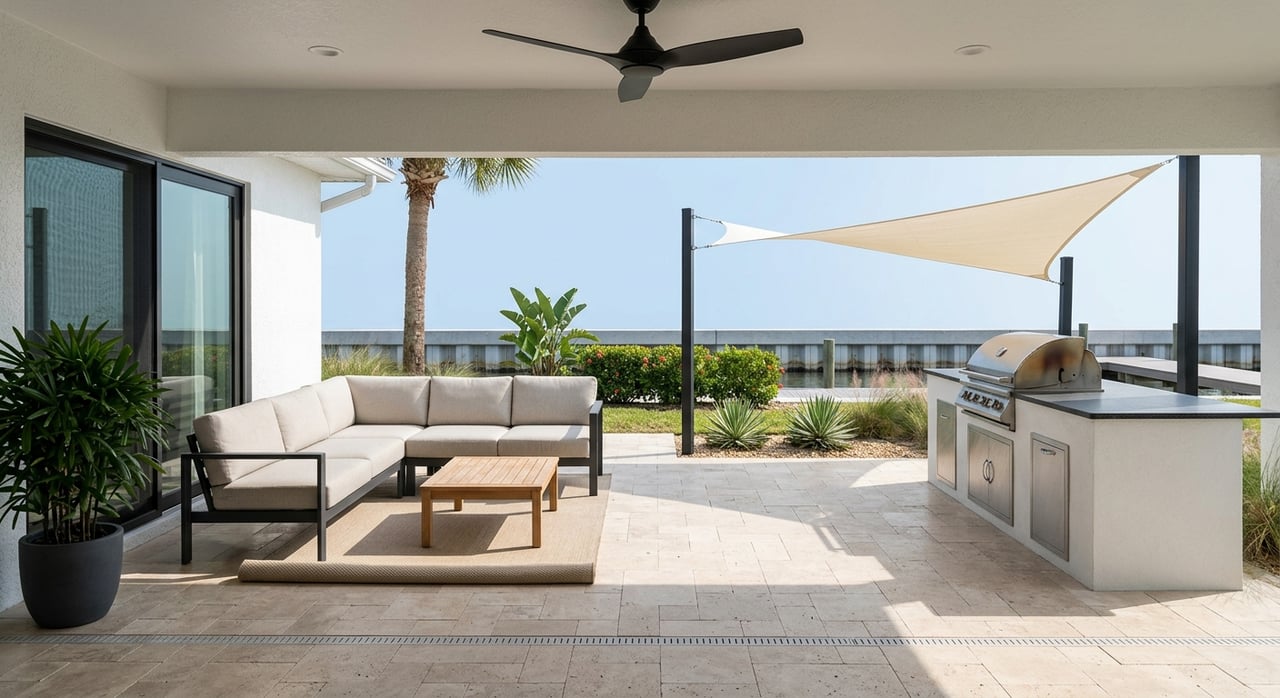
If your Hernando Beach home backs up to water, your outdoor space is not just a nice extra. It is often one of the biggest parts of how you live there day to day. Whether you picture quiet mornings by the canal, weekend cookouts, or a simple shady place to enjoy the breeze, the right design can help you make the most of the setting while avoiding costly missteps. Here’s how to design an outdoor living space that fits Hernando Beach life and the realities of this coastal market.
Why outdoor living matters in Hernando Beach
In Hernando Beach, outdoor space is closely tied to the area’s waterfront character. Hernando County’s planning documents highlight the community’s working waterfront, scenic vistas, shoreline access, and water-dependent uses, which means decks, patios, docks, and waterside seating are part of how many homes connect to the local lifestyle.
That matters whether you are updating your current home or thinking ahead to resale. A well-planned outdoor area can support boating access, protect sightlines toward the water, and make the property feel more connected to the coastal setting buyers often want in Hernando Beach.
Start with how you want to use it
The best outdoor spaces usually begin with a simple question: What do you want to do out there most often? UF/IFAS recommends planning around the core functions first, including seating, tables, cooking, and shade.
For many Hernando Beach homes, that often means creating a few distinct zones instead of one large open slab or deck. You might have a dining area near the house, a lounge space facing the water, and a dock-side spot that supports boating without crowding the shoreline.
Think in outdoor rooms
UF/IFAS describes strong outdoor design as creating “outdoor rooms.” These spaces can be defined with planters, plant beds, trellises, level changes, paved surfaces, or arbors.
That idea works especially well in Hernando Beach because it lets you organize a waterfront yard without blocking the view. Instead of walling off space, you can gently shape it so each area feels intentional and comfortable.
Keep view corridors open
Hernando County’s coastal planning emphasizes preserving scenic views of waterways, marshes, and open water. In practical terms, that means your layout should protect the sightline from the house to the water whenever possible.
Low-profile seating, carefully placed planters, and open-framed structures can help. If you are adding shade or privacy, the goal is usually to soften the space, not close it in.
Plan for heat, sun, and airflow
Summer heat in this part of Florida is no small thing. Nearby Brooksville climate normals show average highs of 90.9°F in July and 90.6°F in August, with warm nighttime lows around 72°F.
That is why shade is not optional if you want to use the space consistently. It is one of the most important design decisions you can make for comfort.
Add shade without losing the view
You do not have to choose between shade and a water view. UF/IFAS points to options like umbrellas, pergolas, and tree canopy for daytime comfort.
In Hernando Beach, the most effective approach is often layered. A pergola near the house, a movable umbrella near seating, and carefully placed plants can create relief from direct sun while keeping the yard feeling open.
Use microclimates to your advantage
UF/IFAS also notes that sun and shade patterns create microclimates. Plants can help modify light, temperature, and humidity, which means your landscape can do more than just look good.
Hedges, trellises, and layered planting can provide privacy and reduce harsh afternoon exposure. This is especially useful when you want a more comfortable sitting area but do not want a bulky structure dominating the yard.
Choose materials that handle coastal conditions
Salt air, humidity, rain, and intense sun can be hard on outdoor finishes. In a waterfront setting like Hernando Beach, choosing the right materials early can save you maintenance headaches later.
UF/IFAS recommends decking materials such as pressure-treated wood, naturally decay-resistant wood, composite lumber, vinyl, or all-plastic decking. For furniture and accessories, aluminum, teak, some wicker, polyester or acrylic fabrics, and quick-drying cushions tend to perform better in wet, humid conditions.
Best bets for long-term durability
If you want an outdoor space that stays attractive with less upkeep, focus on materials that can better tolerate moisture and salt exposure.
A few practical choices include:
- Composite or similar low-maintenance decking
- Aluminum or teak furniture
- Outdoor fabrics designed for rain and humidity
- Quick-dry cushions and easy-clean surfaces
- Plantings suited to salt and sun exposure
That does not mean every natural material is off the table. It just means durability should carry more weight in your decisions than it might in an inland neighborhood.
Pick plants for a saltwater setting
Plant selection matters more near the coast. UF/IFAS advises that sites within about one-eighth of a mile of saltwater should use at least somewhat salt-tolerant plants, and trees within eight miles of salt water should tolerate aerosol salt spray.
For Hernando Beach homes, that makes a salt-tolerant planting palette a smart starting point rather than an afterthought. The right plants can frame your outdoor areas, add privacy, and soften hardscape edges without struggling in the local conditions.
Coastal-friendly plant options
UF/IFAS identifies several plants that can fit coastal Florida conditions, including:
- Beach sunflower
- Gaillardia
- Seaside goldenrod
- Railroad vine
- Gopher apple
- Hibiscus
- Firebush
- Lantana
- Seagrape
- Cocoplum
- Saltbush
A layered approach often works best. Lower plants can keep views open, while taller shrubs or screening plants can define space where you need privacy from a neighboring lot or canal edge.
Design with flood and drainage realities in mind
Outdoor spaces in Hernando Beach should look good, but they also need to respond to site conditions. Hernando County’s coastal management policies say development should account for sea level rise, extreme tides, flooding, rainfall events, and proper drainage design.
That means your plan should go beyond furniture and finishes. Elevation, drainage flow, and how water moves across the lot all matter when you are designing patios, kitchens, decks, or gathering areas.
Check flood-zone requirements early
Hernando County says the FEMA Flood Insurance Rate Map is the official source for flood-zone determinations. The county also regulates work in Special Flood Hazard Areas through its Flood Damage Prevention and Protection Ordinance and the Florida Building Code.
If your project involves structural work, a contractor, designer, or permit professional should understand those rules before construction starts. It is much easier to design around flood requirements upfront than to revise a project later.
Be careful near docks and seawalls
In Hernando Beach, outdoor living often stretches all the way to the waterline. That is part of the appeal, but it also means permit review may come into play more often than homeowners expect.
Hernando County’s fee schedule specifically lists permit types for docks and seawalls. Florida DEP also notes that dock projects may be handled through exemption verification, a general permit, or an individual environmental resource permit, depending on the size and location.
Why dock-side design needs extra planning
If your project touches a dock, seawall, or similar waterfront feature, even small layout choices can matter. Seating areas, covered features, boat-lift zones, and structures that cast shade over the water may affect what can be approved.
Florida DEP says dock design modifications should minimize impacts to natural resources, avoid vegetation, and reduce shading. If you are planning anything at the water’s edge, it is wise to treat permitting as part of the design process from the start.
Outdoor kitchens can add function and value
For many buyers and owners, an outdoor kitchen is one of the most appealing upgrades in a Florida home. UF/IFAS notes that well-planned outdoor kitchens can enhance home value.
That said, utility-connected additions need careful planning. UF/IFAS advises homeowners to consult the building code or hire a licensed contractor when electrical or water lines are involved.
Keep kitchen placement practical
The most usable outdoor kitchens are usually close enough to the house to stay convenient. At the same time, they should not interrupt your main seating area or block the best water views.
A simple setup with prep space, durable surfaces, and good shade may serve you better than an oversized design that fights the lot. In many Hernando Beach homes, practical flow matters just as much as square footage.
Focus on features buyers notice
If resale is part of your thinking, outdoor improvements should feel both attractive and sensible for the setting. Buyers in waterfront areas tend to notice comfort, condition, and how well the space fits boating or outdoor use.
The strongest updates often include:
- Comfortable shade near main seating areas
- Durable materials suited to salt air and humidity
- Clear access to docks or canal frontage
- Open views toward the water
- Tidy, salt-tolerant landscaping
- Functional gathering space for dining or relaxing
In other words, the goal is not to overbuild. It is to create a space that feels easy to use, well matched to the home, and in tune with Hernando Beach living.
Design for lifestyle and market appeal
A great outdoor living space in Hernando Beach should do two things well. It should make everyday life more enjoyable for you, and it should make sense for the property’s coastal setting.
When you balance shade, durability, planting, drainage, and waterfront constraints, you end up with a space that feels more comfortable now and more marketable later. If you are thinking about improvements before selling, or you want to understand what buyers tend to value in waterfront homes, talking through the details with a local team can help. Reach out to Brian Kupres for insight on how outdoor features can support your home’s appeal in the Hernando Beach market.
FAQs
What outdoor features work best for Hernando Beach homes?
- Features that usually fit Hernando Beach well include shaded seating areas, durable decking, salt-tolerant landscaping, open water views, and practical access to docks or waterfront edges.
How can you add shade to a Hernando Beach backyard without blocking the water view?
- Pergolas, umbrellas, and layered plantings can provide shade while keeping sightlines more open than bulky solid structures.
What materials hold up best near salt water in Hernando Beach?
- UF/IFAS points to options like composite decking, aluminum or teak furniture, polyester or acrylic outdoor fabrics, and quick-drying cushions for better performance in coastal conditions.
Do dock or seawall projects in Hernando Beach need permits?
- They may. Hernando County lists permit types for docks and seawalls, and Florida DEP says dock projects can require different types of review based on size and location.
What plants are good for Hernando Beach outdoor spaces?
- Salt-tolerant options identified by UF/IFAS include beach sunflower, gaillardia, seaside goldenrod, railroad vine, gopher apple, hibiscus, firebush, lantana, seagrape, cocoplum, and saltbush.
Why does flood planning matter for Hernando Beach outdoor upgrades?
- Hernando County says coastal development should account for flooding, drainage, sea level rise, rainfall events, and extreme tides, so those factors should be considered before major outdoor work begins.