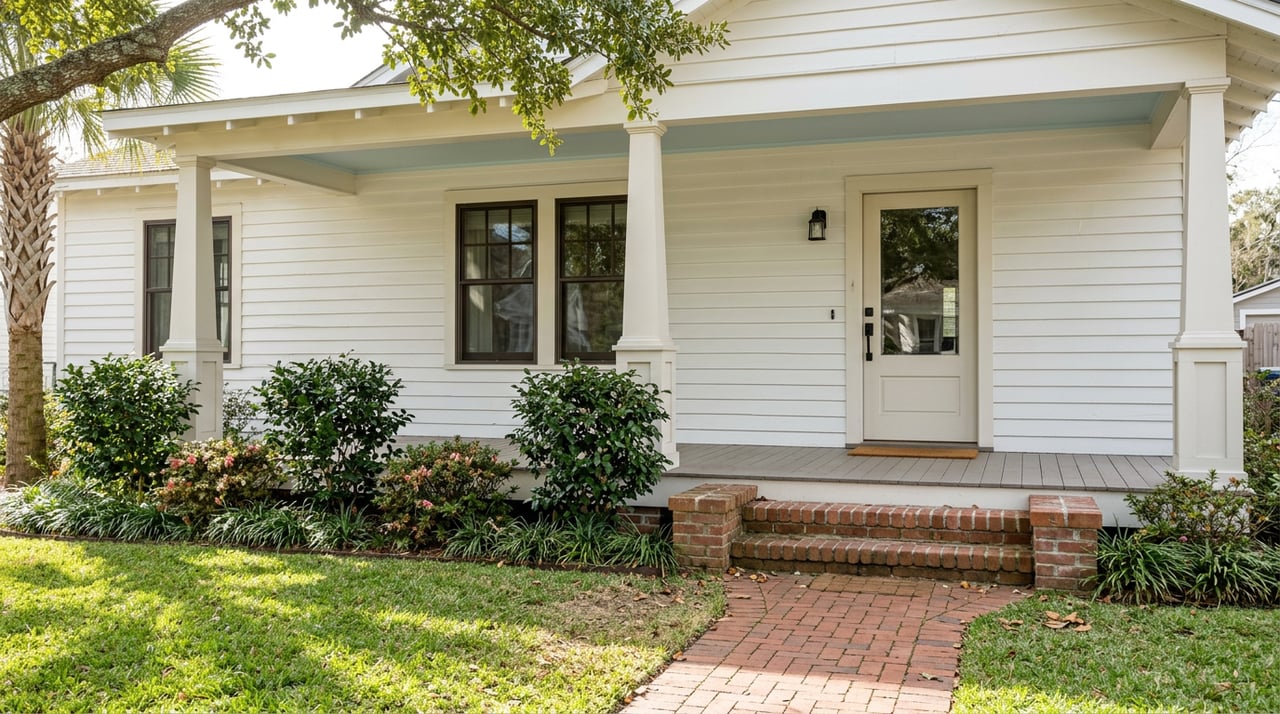
Do you picture yourself on a century-old front porch under live oaks, or in a brand-new home with modern systems and fewer surprises? In Brooksville, you can choose either path, and both come with real tradeoffs. If you love character and closeness to downtown, an older home might be your match. If you want lower maintenance and today’s building standards, new construction could be the better fit. This guide gives you the local facts, practical checklists, and a simple framework to help you decide. Let’s dive in.
Historic homes: style and setting
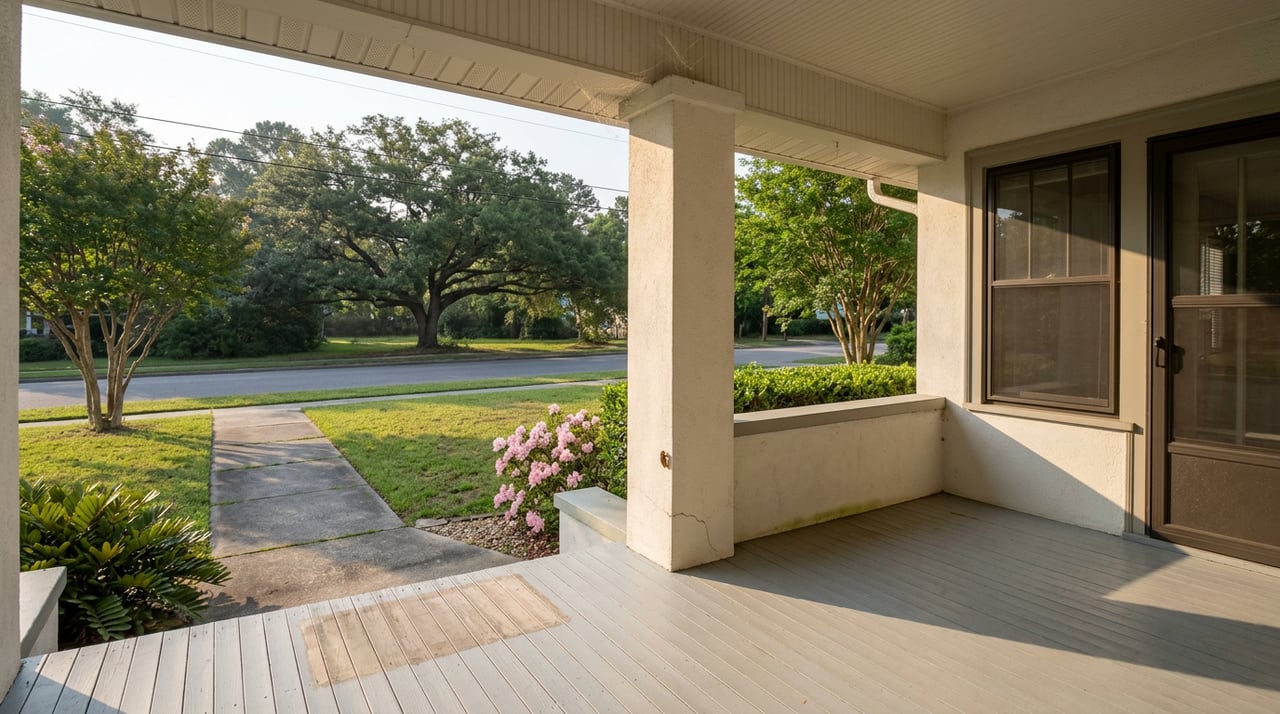
Brooksville’s best-known historic area, the South Brooksville Avenue Historic District, features homes built roughly 1901 to 1944 with Queen Anne, Colonial Revival, Bungalow, and Mission influences. Many are wood-framed with generous porches, decorative details, and raised brick or pier foundations that create the classic “old Florida” feel. You can learn more about styles and materials in the National Register nomination for the district, which also notes brick street remnants and a mature tree canopy that define the streetscape (South Brooksville Avenue Historic District).
You will typically find these homes on smaller city lots with sidewalks and good proximity to the courthouse square and downtown businesses. That walkable, small-town setting is a large part of the appeal for buyers who prioritize place and history. Local landmarks like the May-Stringer House reflect the community’s heritage and help set the tone of the area’s architecture and streets (Hernando Historical Museum Association).
New construction: where and why
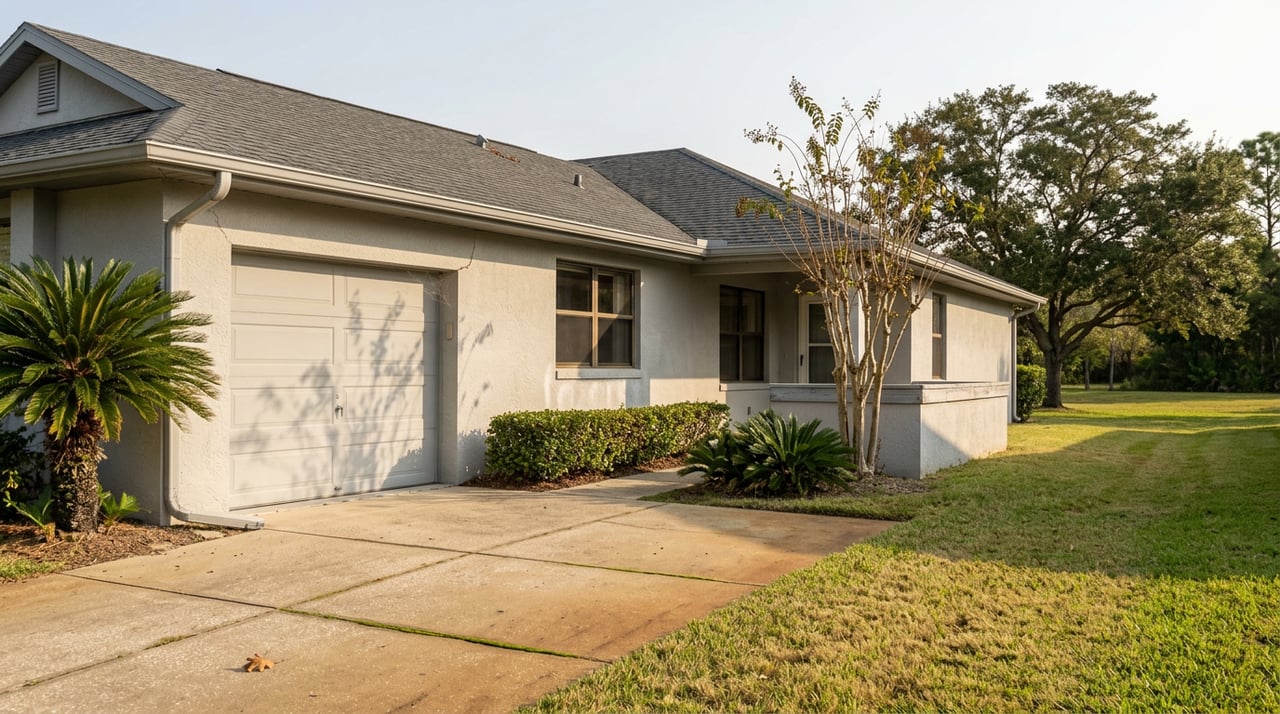
Newer homes in and around Brooksville tend to cluster in planned subdivisions, golf and gated communities, and on larger rural parcels outside the city limits. These neighborhoods are designed with modern infrastructure and amenities, and typically offer consistent lot sizes, engineered drainage, and HOA standards. If you want flexible space, newer finishes, and current building practices, these developments often check the boxes.
You will also see new single-family construction on acreage in the county. These builds can offer privacy and room to spread out, while still giving you the benefit of modern codes and systems.
Utilities and lots
Inside city-served areas, Brooksville’s Utilities Department provides municipal water and sewer. In many outlying or rural parts of Hernando County, municipal sewer is not available and septic systems are common. Before you fall in love with a property, confirm the specific parcel’s water and sewer status with the City of Brooksville or Hernando County utilities because service influences both daily living and potential expansions (City of Brooksville Utilities).
Lot and site conditions differ, too. Newer subdivisions usually have planned drainage features like retention ponds and swales. Older in-town lots often have mature trees, smaller footprints, and more informal drainage, which can limit additions or extra parking. These differences affect how you use the property and the upkeep you should expect.
Maintenance and risk
Older homes come with predictable maintenance patterns tied to their materials and systems. Wood siding, porch elements, and raised brick or pier foundations may need periodic paint, carpentry, and ventilation attention. That construction profile is common in Brooksville’s historic district and is documented in the National Register materials (district nomination).
In Florida, termites are a fact of life, and Hernando County is no exception. A wood-destroying organism (WDO) inspection is standard due diligence and should be part of your plan, especially for older wood-frame homes (UF/IFAS termite guidance). Homes built before 1978 also require a federal lead-based paint disclosure, and you may choose to test for lead or sample for asbestos-containing materials before invasive work (EPA disclosure rules).
New construction, by contrast, is built to the current Florida Building Code for wind resistance, structural systems, and energy conservation. That baseline typically reduces near-term repair risk and can improve comfort and durability when compared with older homes that have not been updated (Florida Building Commission summary). Routine care still matters, but the focus is usually on standard wear items like HVAC maintenance, landscaping, and roof life cycle.
Insurance and inspections
In Florida, insurance underwriting often hinges on specific information about a home’s roof, electrical, plumbing, and HVAC. Many insurers require 4-point and wind mitigation inspections for older homes or to qualify for credits. State law also allows an authorized inspection for roofs 15 years or older before an insurer refuses renewal solely because of age (Florida Statutes §627.7011). You and your agent should plan for these items during the inspection phase to keep your insurance options open (Citizens guidance).
Minimum inspection list
- Full home inspection by a licensed inspector to evaluate systems and structure.
- WDO/termite inspection, especially for wood-frame and older homes (UF/IFAS).
- 4-point and wind mitigation inspections when required by your insurer or when systems are older (Citizens guidance).
- Sewer scope on older properties to assess the main lateral, or when sewer vs. septic is uncertain (sewer-scope overview).
- Lead-based paint disclosure and optional testing for pre-1978 homes; consider asbestos testing before renovations (EPA lead rules).
Energy and comfort
New homes must meet the latest Florida Building Code, which has updated wind and energy requirements. That code baseline generally means tighter building envelopes, better sealed ductwork, and modern HVAC efficiencies compared with many older homes (Florida Building Commission summary).
Older houses often underperform modern standards in three common ways: lower insulation levels, single-pane or non-low-e windows, and older or leaky HVAC systems. If you are buying an older home, consider a prioritized approach that starts with a professional energy audit, then addresses air sealing and attic insulation, duct sealing and insulation, HVAC upgrades, and finally windows as needed (DOE insulation and weatherization guide). These steps can improve comfort and bills while respecting a home’s character.
Buyer decision checklist
When to favor historic
- You value architectural character, porches, and mature trees near downtown.
- You are comfortable planning for periodic maintenance and working with contractors experienced in older homes.
- You accept that exterior changes may require additional review in a historic area. Check local code and procedures before planning work (Brooksville code reference).
When to favor new
- You want lower short-term maintenance, modern systems, and code-built wind and energy features.
- You prefer larger lots, planned amenities, or HOA settings and are comfortable with a more suburban layout.
- You like the predictability that comes with builder warranties and standardized finishes.
Shared filters
- Budget and cash flow: set aside a conservative repair or upgrade allowance for older homes based on your inspection reports.
- Time and tolerance: vintage details need ongoing care; new builds move more cost into the purchase price with fewer near-term projects.
- Insurance and financing: discuss 4-point, wind mitigation, and roof-age considerations with your agent and insurer early in the process (Citizens guidance).
Questions for the seller
- What is the roof age and permit history? Any recent repairs or certifications?
- Is the home on city sewer or a private septic system, and when was it last serviced (verify utilities here)?
- What are the ages of HVAC, water heater, and major appliances? Any recent replacements?
- Has the home had prior termite treatments or WDO reports?
- Is the property in a local historic district or subject to design review (check local code references)?
Market and planning context
Brooksville offers both in-town character homes and modern developments, meeting a wide range of preferences. County-level housing context and permitting trends are tracked by HUD’s Market-at-a-Glance for Hernando County, which is helpful for a regional view of inventory and new construction indicators (HUD Market-at-a-Glance).
As you plan, remember Hernando County’s Local Mitigation Strategy outlines regional hazards like storms and flooding, which can inform your insurance and preparedness conversations regardless of the home’s age (Hernando County mitigation plan).
Next steps
Tour a few homes from each category to see what fits your lifestyle. Bring the inspection checklist, confirm utilities with the City of Brooksville, and request line-item estimates for any repairs or upgrades you are considering. Local conditions and rules can change, so verify utility service, insurance criteria, and preservation or permit requirements with the City, County, your lender, and your insurer before final decisions (City of Brooksville Utilities).
If you want a local perspective on specific Brooksville neighborhoods, historic-district questions, or new construction options, reach out. Our family team has helped buyers compare these choices across Hernando County and can guide you step by step. Connect with Brian Kupres to start your search with confidence.
FAQs
What defines a historic home in Brooksville?
- Many recognized historic homes are within the South Brooksville Avenue Historic District, with construction dates roughly 1901 to 1944 and styles like Queen Anne, Colonial Revival, and Bungalow documented in the National Register nomination (district overview).
Are there rules for exterior changes in Brooksville’s historic areas?
- Local landmark or district status can involve design review and permits for exterior work, so check Brooksville’s code and planning procedures before starting a project (code reference).
How do utilities differ between city and rural properties in Hernando County?
- City-served areas often have municipal water and sewer, while many rural parcels rely on septic systems; confirm service for the specific address with the City or County (utilities info).
What inspections do insurers often require for older Florida homes?
- Many insurers request 4-point and wind mitigation inspections to evaluate roof, HVAC, plumbing, and electrical, and to determine credits (insurer guidance).
How can you improve energy efficiency in an older Brooksville home?
- Start with an energy audit, then prioritize air sealing and attic insulation, duct sealing, HVAC upgrades, and finally window improvements as needed (DOE guidance).
Do you need a sewer scope on a Brooksville home?
- A sewer-scope inspection is wise on older properties or whenever sewer vs. septic is unclear, since it can reveal breaks, roots, or settling in the main line (overview).
What should you know about termites in Hernando County?
- Termites are common in Florida, so include a WDO inspection during due diligence and plan for regular monitoring or treatment as needed (UF/IFAS termite guide).