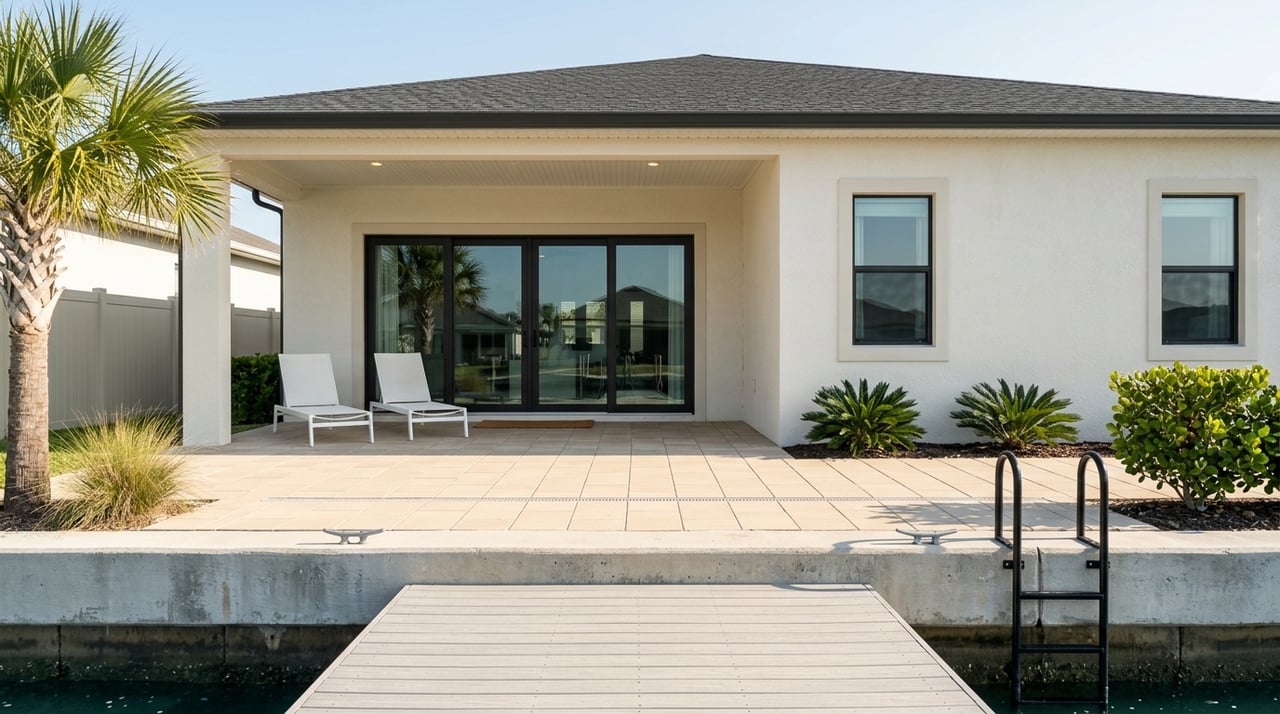
If you are selling a waterfront home in Homosassa, you are not just selling bedrooms and square footage. You are also selling access, shoreline features, dock usability, and the day-to-day experience of living on the water. That can make the process feel more complex, but it also creates opportunity when you prepare well. In this guide, you will learn how to sell step by step, avoid common setbacks, and present your property in a way that speaks to today’s waterfront buyers. Let’s dive in.
Understand the Homosassa waterfront market
Waterfront homes in Homosassa do not always move like homes in a typical inland neighborhood. Spring 2026 market snapshots show a wide range in pricing and timing, with reported medians in the low-to-mid $300,000s and days on market stretching from roughly 71 to 210 days depending on the source. That spread is a strong reminder that waterfront pricing and timing depend heavily on the specific location and features of your property.
In other words, your home should not be priced from a broad town average alone. A property on one waterfront corridor may compete very differently from one in another part of Homosassa. Current listing snapshots also show variation between zip codes, with about $349,950 in 34446 and about $399,450 in 34448, which supports using a tight, nearby waterfront comp set.
The water itself is a big part of value here. The Homosassa River is a spring-fed tidal river that runs about eight miles from the headsprings to the Gulf, with a mix of fresh and salt water and tributaries including the Southeast Fork and Halls River. Buyers often pay close attention to how your property connects to that setting, including views, shoreline condition, dock access, and outdoor living spaces.
Step 1: Audit the home and paperwork
Before your listing goes live, start with a full property audit. Walk the home and the waterfront features as if you were a buyer seeing them for the first time. Make note of anything that could raise questions later, especially items tied to the dock, seawall, shoreline, drainage, or outdoor structures.
Then gather your paperwork. For a waterfront home, that often includes surveys, dock permits, seawall permits, boat lift approvals, final inspections, and any recorded notices tied to past work. In Citrus County, dock and boat lift proposals can involve survey requests, width-limit review, and additional permit requirements, so having organized records can make a big difference.
This step helps you do two things. First, it gives you a clearer picture of the property’s strengths and weaknesses. Second, it puts you in a better position to answer buyer questions quickly and confidently.
Step 2: Resolve waterfront issues early
Waterfront buyers tend to look closely at condition, and that makes early repairs especially important. Inspect and document the dock, seawall, boat lift, shoreline edges, and outdoor living areas before the home hits the market. The goal is to reduce avoidable objections and prevent surprise issues during inspections.
That matters in Homosassa because the river system is tidal and affected by changing salinity, storm events, and shoreline pressures. Even if an issue seems minor to you, a buyer may see it as a future expense or maintenance concern. Taking care of known problems ahead of time can protect your leverage once offers start coming in.
Florida’s disclosure standards make this step even more important. If you know of facts that materially affect value and they are not readily observable to a buyer, those issues should be disclosed. For waterfront sellers, that can include known flooding, drainage problems, or hidden dock and seawall concerns.
Step 3: Verify flood and septic details
Flood information should be confirmed before you list, not after you accept an offer. Florida law requires a flood disclosure for residential property sales at or before contract execution, and the same law makes clear that a standard homeowners policy does not cover flood damage. Buyers will often ask about flood zone status early, so it helps to verify current map information in advance.
Do not rely on memory or an old appraisal. A current flood zone check gives you a more accurate starting point for buyer conversations and helps avoid confusion later in the transaction. For a waterfront home, this is one of the most important files to keep ready.
If your property uses septic, gather service and maintenance records too. In the Homosassa River system, septic systems are identified by SWFWMD as one source contributing to nitrate concerns, so some buyers may view maintenance history as part of responsible waterfront ownership. Clean records can support confidence in both the home and the property’s upkeep.
Step 4: Prepare disclosures before launch
In Florida, disclosures are not something to scramble through once a buyer is already emotionally invested. They should be part of your listing preparation. Waterfront homes often bring more detailed questions, so being ready early can help the transaction feel smoother and more transparent.
Along with the flood disclosure, Florida also requires a property-tax disclosure summary before the contract is executed. That disclosure warns buyers that a change in ownership or improvements may trigger reassessment and potentially higher taxes. For many buyers, especially those comparing monthly costs carefully, this information matters.
A complete disclosure file can help you move faster when offers come in. It also reduces the chance that a buyer feels surprised during due diligence. In a market where some homes can sit longer, trust and clarity can make a real difference.
Step 5: Stage the waterfront lifestyle
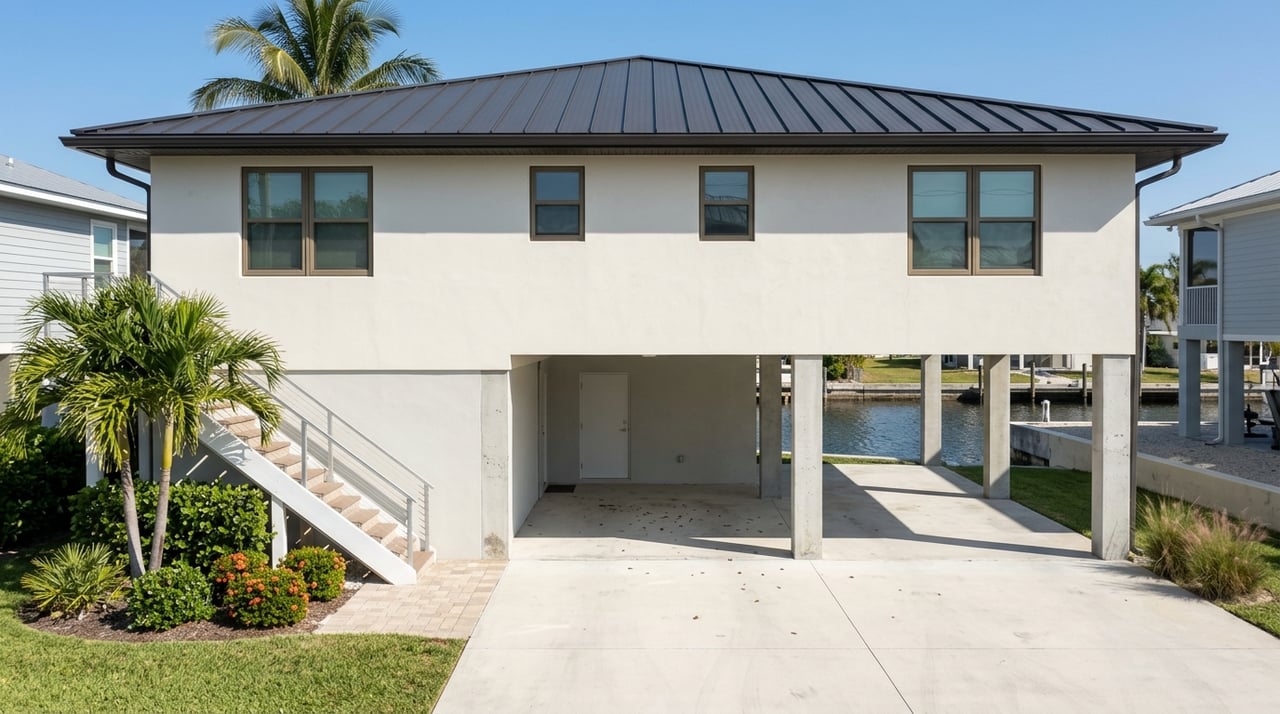
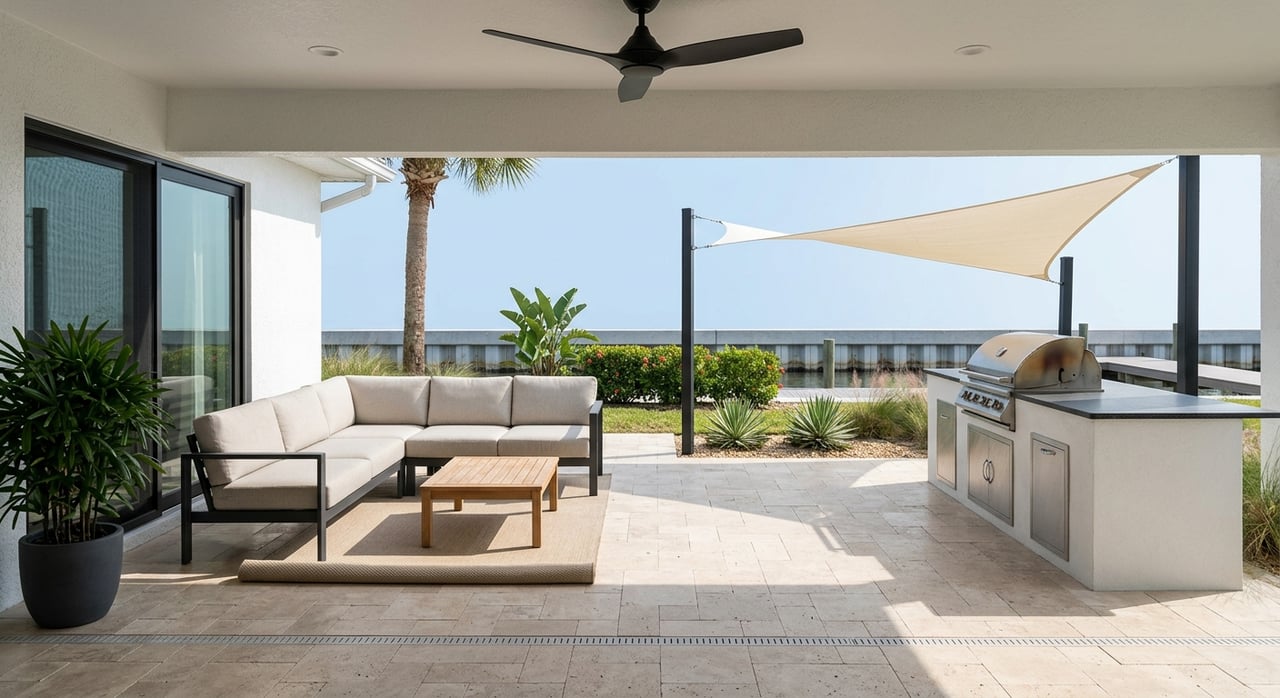
When buyers shop for waterfront property, they are buying more than an interior. They are buying the relationship between the home, the lot, and the water. That means your dock, boat lift, view corridors, patios, and shoreline presentation deserve the same level of attention as your kitchen or living room.
Start by cleaning and simplifying outdoor spaces. Make sure paths to the water feel open and safe, trim back landscaping that blocks key views, and remove clutter from docks and patios. If the waterfront is the feature that sets your home apart, it should be easy for buyers to picture themselves enjoying it.
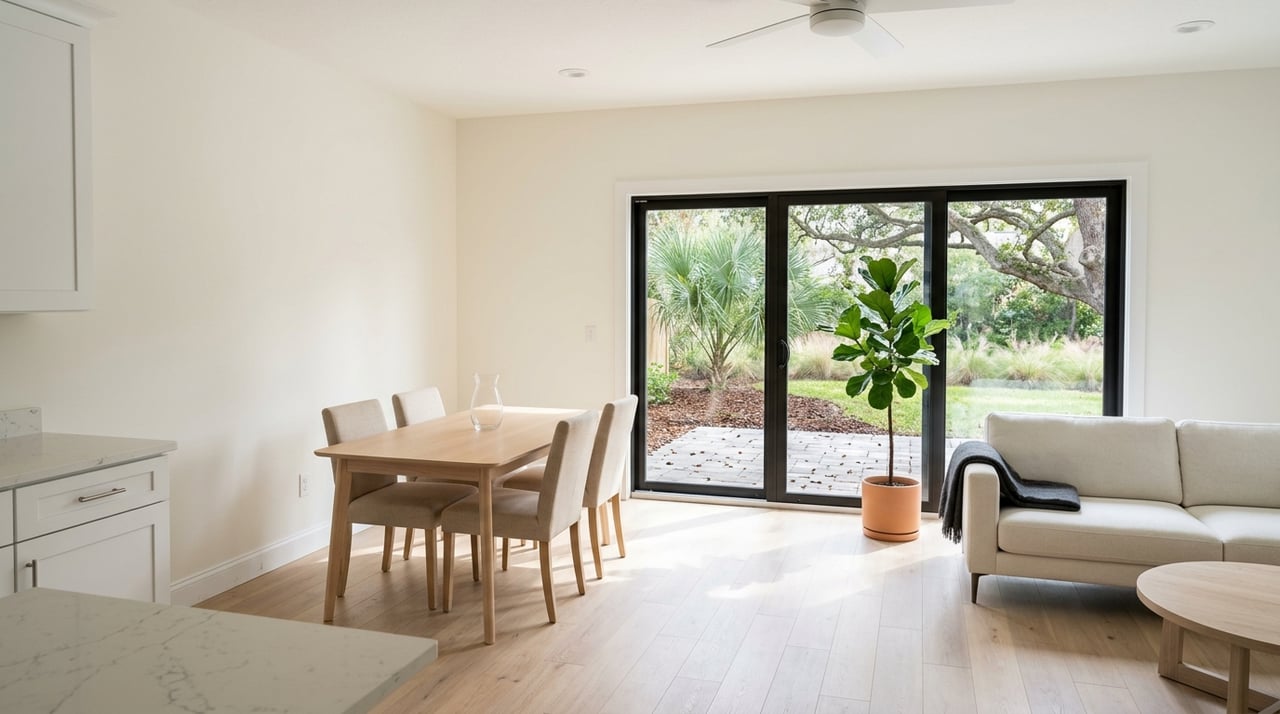
Inside the home, keep the focus on light, openness, and flow toward the exterior. If certain rooms overlook the water, arrange them to highlight that connection. The goal is to make the waterfront feel like part of everyday living, not just a feature in the backyard.
Step 6: Invest in strong listing media
Your online presentation matters because that is where most buyers begin. Recent buyer research shows that all buyers used the internet, 43% started their search online, and photos, detailed property information, and floor plans ranked among the most useful listing features. Staging research also found that photos, videos, and virtual tours are considered much more or more important for listings.
For a Homosassa waterfront home, standard photography is usually not enough. Buyers need to understand the house-to-water relationship, lot orientation, and how the outdoor features function. That is why strong listing media should show both the home and the waterfront assets clearly.
The most useful package often includes:
- Professional interior and exterior photos
- Aerial or drone views showing the house, dock, and water access
- Close-up images of the dock and boat lift
- A clear floor plan
- A short video walkthrough that explains both the home and the waterfront lifestyle
These assets help buyers connect with the property before they schedule a showing. They also help attract more informed interest, which can lead to better conversations once the listing is live.
Step 7: Price from the right comp set
Pricing a waterfront home in Homosassa requires precision. Because public market snapshots vary, broad averages can be misleading. A home’s value may depend heavily on factors like direct water frontage, dock setup, shoreline condition, lot orientation, and how easily a buyer can use the water.
That is why your pricing strategy should focus on nearby, comparable waterfront properties rather than the overall Homosassa market. A home on a canal, riverfront lot, or property with different water access may appeal to a different buyer and support a different price point. Even two homes with similar square footage can perform very differently if their waterfront features differ.
Overpricing can be especially costly in a segmented market. If buyers sense the home does not match the immediate waterfront competition, they may wait, watch, or move on. A well-supported list price gives you a better chance to capture attention while the listing feels fresh.
Step 8: Launch with speed and consistency
Once the home is prepared, paperwork is organized, and pricing is set, launch matters. You want your first impression online to be complete and compelling. Buyers should be able to understand the property quickly, including what kind of waterfront access it offers and what features support that lifestyle.
Consistency matters after launch too. Questions about flood information, permits, repairs, taxes, and property condition should be answered promptly and clearly. In a slower market, delays and uncertainty can cool momentum fast.
A family-led team with local experience can help keep that process steady. When communication is clear and the listing presentation is strong, you are in a better position to hold buyer interest and move the sale forward with less stress.
Step 9: Stay ready through inspection and closing
The work does not stop once you receive an offer. Waterfront sales often involve detailed inspection questions, and buyers may revisit topics like seawalls, docks, lifts, flood zone information, permits, and prior repairs. Staying organized through this stage helps protect the deal.
Keep your disclosure file and supporting documents easy to access all the way to closing. If a buyer asks for a permit record or maintenance detail, a fast answer can prevent uncertainty from growing. That kind of preparation also supports smoother negotiations if inspection issues come up.
The goal is simple: reduce surprises. Waterfront homes can command strong interest, but they also invite closer review. When you stay ahead of the details, you give buyers more confidence in both the property and the transaction.
Why this approach works in Homosassa
Homosassa waterfront homes offer a very specific kind of value, and buyers know it. The river system, spring-fed setting, tidal conditions, and outdoor lifestyle all shape how people compare properties. That means your selling strategy should reflect the reality of the local water, not a generic home-selling checklist.
A strong sale usually comes down to preparation, presentation, pricing, and responsiveness. When you resolve questions early, showcase the waterfront clearly, and price from the right local comps, you put your home in a stronger position from day one. That is especially helpful in a market where timing can vary and details matter.
If you are thinking about selling a waterfront home in Homosassa, working with a local, hands-on team can help you make sense of each step and avoid unnecessary surprises. For personalized guidance and professional marketing support, reach out to Brian Kupres.
FAQs
What makes selling a waterfront home in Homosassa different?
- Waterfront homes in Homosassa are often valued by features beyond the house itself, including dock usability, shoreline condition, water access, lot orientation, and views.
What paperwork should you gather before listing a Homosassa waterfront home?
- You should gather surveys, dock permits, seawall permits, boat lift approvals, final inspections, flood information, and any records tied to waterfront improvements or repairs.
Why is flood information important when selling a waterfront home in Florida?
- Florida requires a flood disclosure at or before contract execution, and buyers often want current flood zone information early because flood risk can affect costs and decision-making.
How should you price a waterfront home in Homosassa?
- You should price it against nearby waterfront properties with similar access and features rather than relying on broad Homosassa averages.
What listing media helps sell a Homosassa waterfront home?
- Professional photos, aerial images, dock and lift close-ups, a floor plan, and a short video walkthrough are especially helpful because buyers often start their search online and need to understand the full waterfront setup.
Should you fix dock or seawall issues before listing a Homosassa waterfront property?
- If possible, yes. Addressing known issues before launch can reduce buyer objections, support smoother inspections, and help you avoid surprises during negotiations.