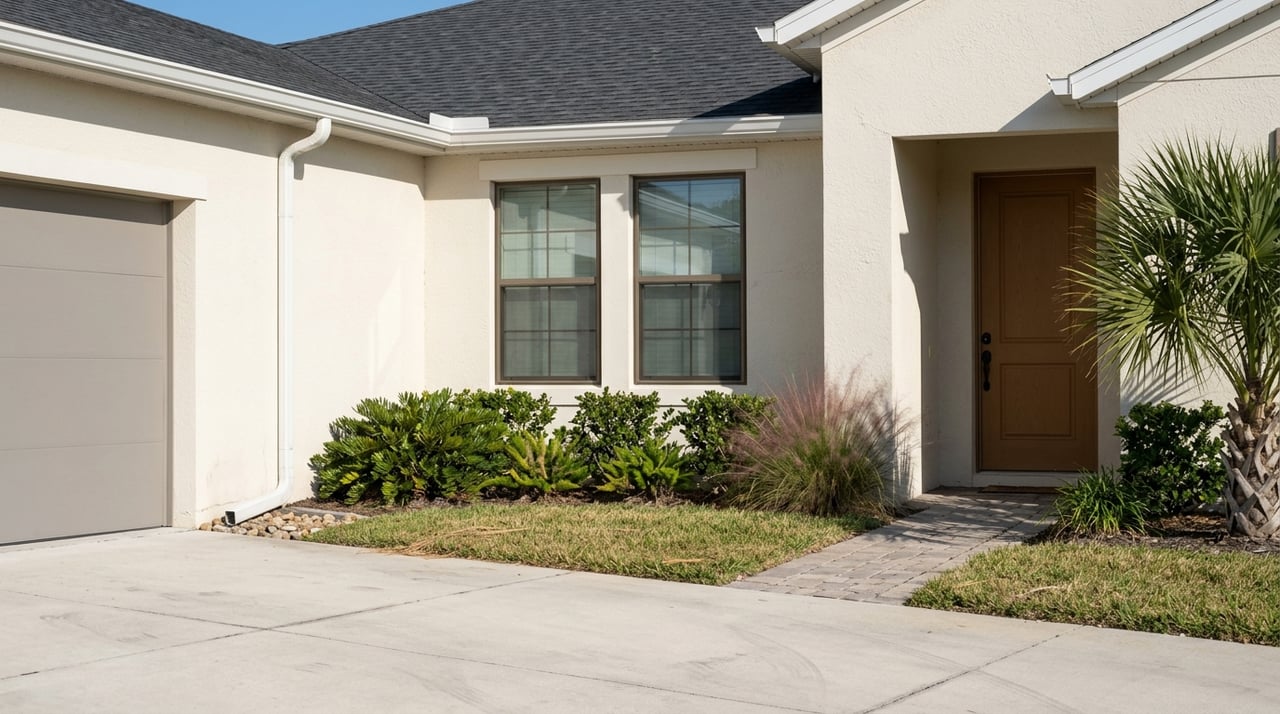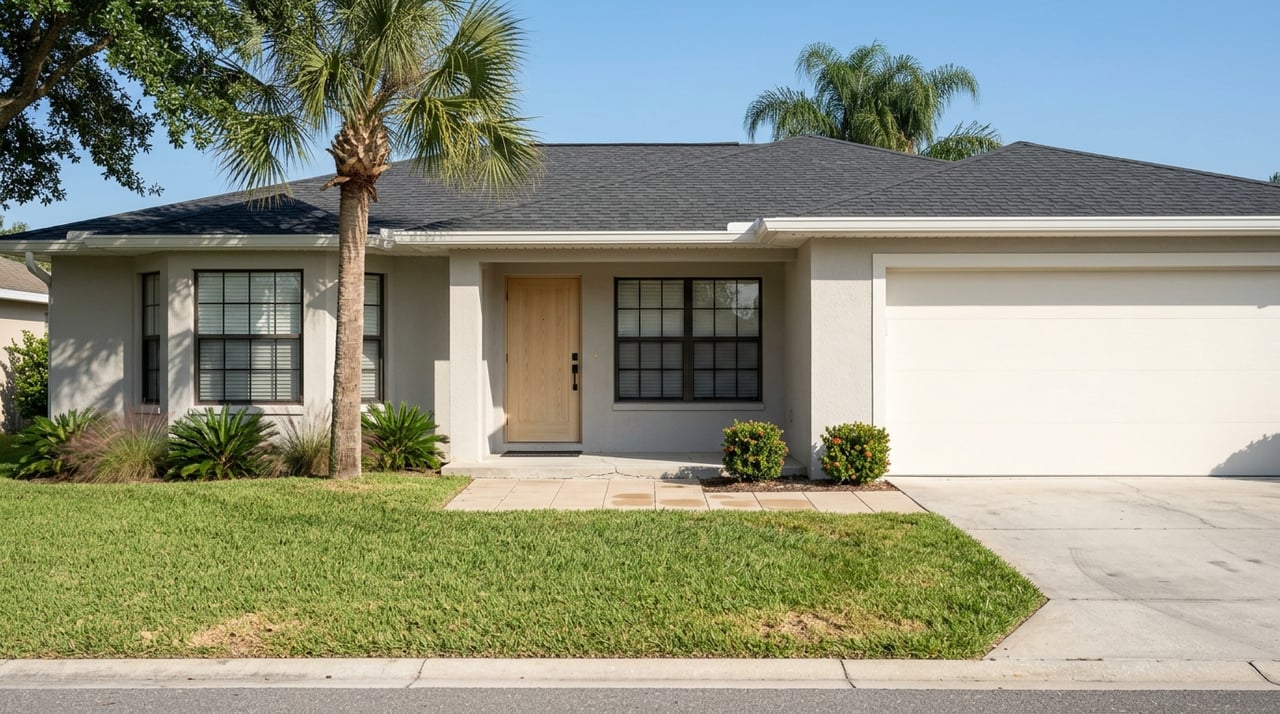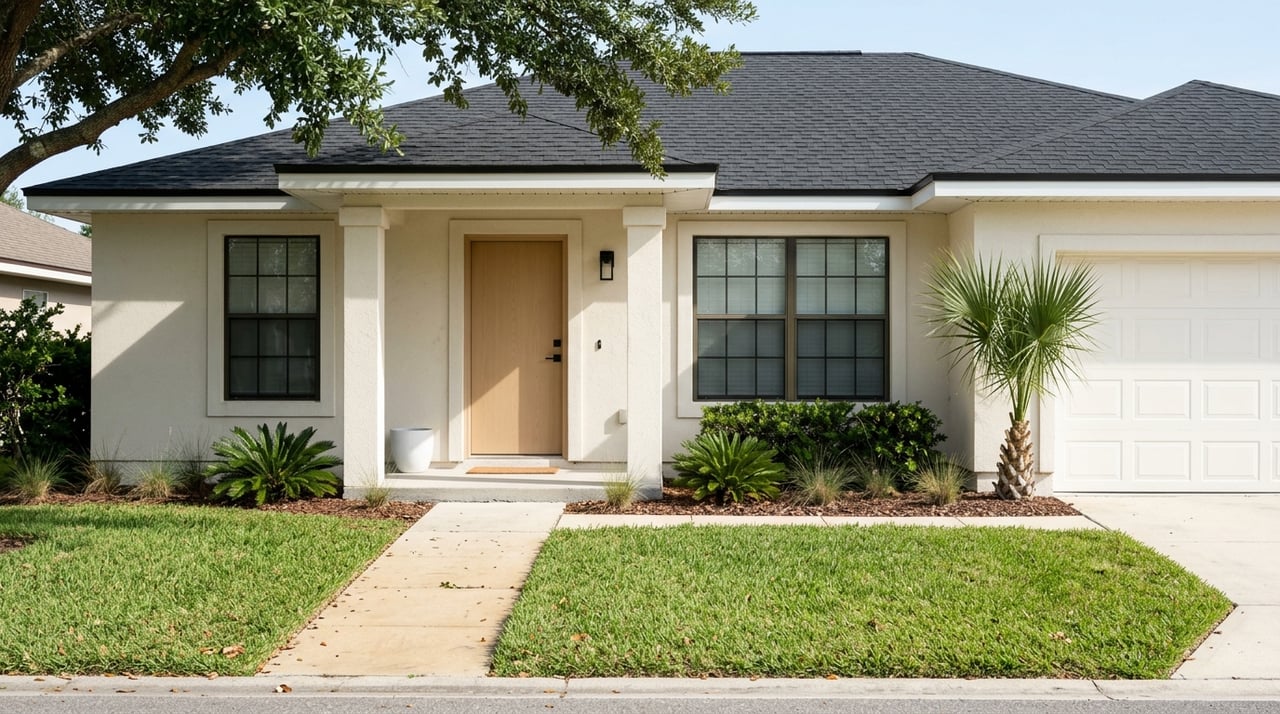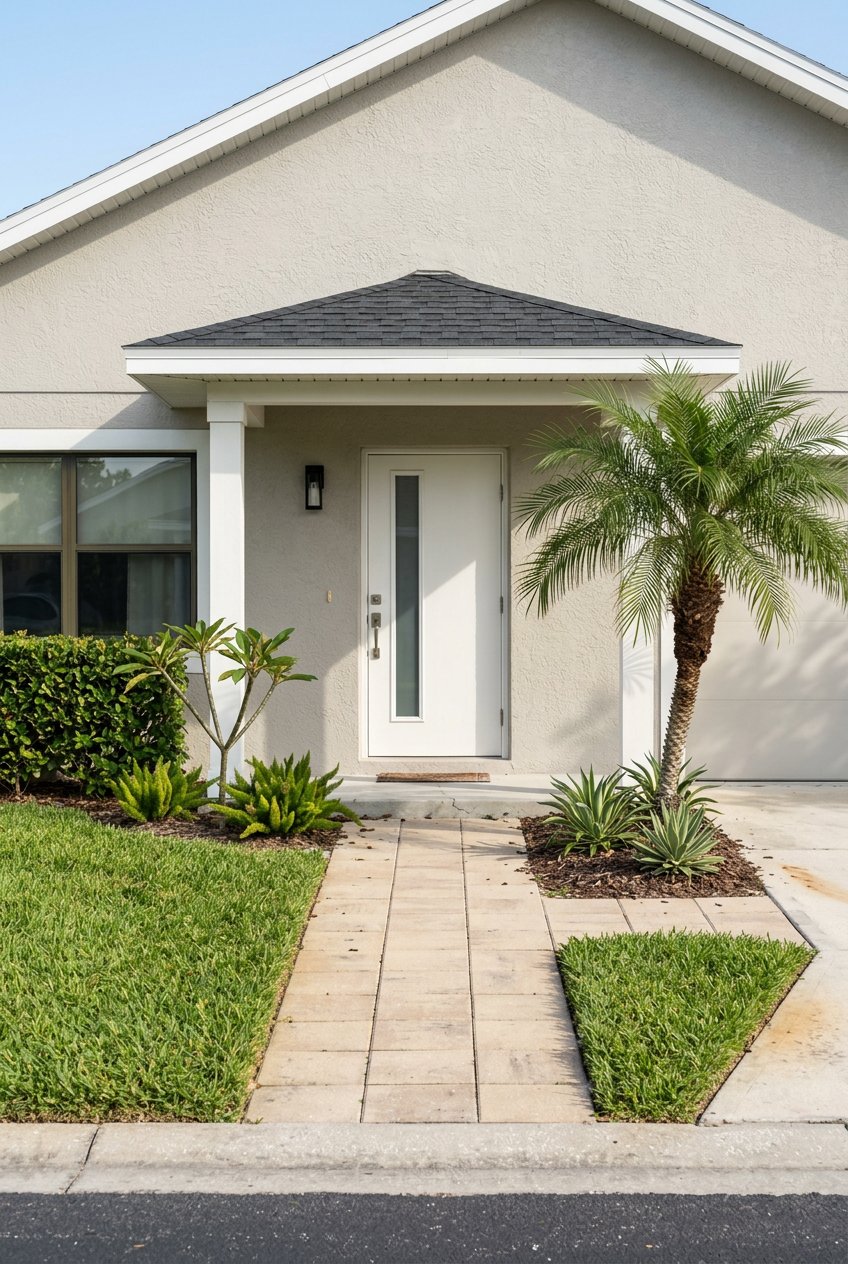
Thinking about selling your Hernando Beach home but not sure if this season is the right move? You are not alone. Timing a sale in a small waterfront market can feel tricky, especially when prices and buyer traffic seem to shift month to month. In this guide, you will see the latest local signals, how seasonality works on Florida’s Gulf Coast, what buyers value in Hernando Beach, and a simple plan to get market-ready with confidence. Let’s dive in.
Where the market stands now
As of January 2026, vendor snapshots show a wide price range in Hernando Beach. Redfin reports a median sold price around $595,000 for January 2026. Zillow’s Home Value Index, an algorithmic estimate, shows a typical home value of $464,308 as of January 31, 2026. Realtor.com’s recent snapshots show listing and sold medians roughly in the $580,000 to $605,000 range, with days on market often in the low hundreds. For county context, the Hernando County Association of REALTORS reported a countywide single-family median near $330,000 in January 2025.
Why the spread? Hernando Beach is a small, coastal submarket. A handful of waterfront sales can swing medians in any single month. Also, each vendor measures something different. Sold-price medians, active-listing medians, and algorithmic indices often diverge, especially when sample sizes are small. The best way to set your price is with a parcel-level CMA that adjusts for canal type, seawall and dock features, elevation, and current competing listings.
Bottom line: treat online snapshots as directional, not definitive. If you are considering a sale this season, ask for a current CMA built from the local MLS plus a review of active, pending, and recently expired listings.
Timing your sale by season
Winter snowbird window
Florida’s coastal markets typically see more out-of-state and seasonal buyers from late fall through early spring. According to a recent Florida Realtors analysis of seasonal demand, winter and early spring draw strong interest across waterfront and second-home segments. In Hernando Beach, that often means more eyes on listings and potentially faster results when inventory is tight. Expect more competition too, as other sellers try to catch the same window.
Practical tip: If your home shows well and your paperwork is ready, listing between November and February can place you in front of seasonal buyers actively touring the coast.
Spring listing window
Across many markets, March through May tends to deliver broad buyer activity and solid price performance. Locally, this often overlaps with the winter snowbird season. Spring can be a sweet spot if you want a wide buyer pool and time your photos and showings to take advantage of longer daylight. Keep in mind that more listings hit the market in spring, so pricing and presentation matter.
Hurricane season and scheduling
The Atlantic hurricane season runs June 1 through November 30. While many homes sell successfully in summer and early fall, you should plan for weather-related scheduling issues. Inspections, appraisals, and insurance approvals can face delays if storms approach. The National Hurricane Center’s seasonal outlook and advisories are the best source for official updates.
Practical tip: If you list during peak storm months, build flexibility into your contract timelines and keep post-storm repair documentation handy.
Flood maps and insurance updates
Flood zone designations and map revisions can affect insurance costs and buyer demand. Hernando County has active floodplain work, and some parcels face updated guidance over time. For map and study references, review the University of Florida’s DFIRM resources and the county’s floodplain information page.
Practical tip: Before you list, confirm your current flood zone and gather your elevation certificate, flood policy details, and any Letters of Map Revision or map amendment documents.
What Hernando Beach buyers value
Waterfront and boating access
Buyers often pay a premium for deep-water canal frontage, direct Gulf access, strong concrete seawalls, dock and boat-lift capacity, and the absence of fixed bridges on certain canals. The details matter. A documented 60 to 100-plus foot seawall with a permitted lift can add meaningful value compared to inland or restricted canal homes. If your property has these features, prepare clear records and specifications for your listing package.
Short-term rental rules and taxes
Investor interest is part of the Hernando Beach buyer pool, especially for rentable waterfront homes. If you plan to rent, Hernando County requires registration and tourist-development tax reporting. The county’s current TDT rate is 5 percent, and owners have monthly reporting obligations. Some platforms collect and remit certain taxes, but you are still responsible for registration and compliance. Review the county’s tourist development tax guidance so you can answer buyer questions.
Flood, elevation, and insurance
Waterfront buyers look closely at flood risk, elevation, and insurance premiums. Be ready with your elevation certificate, flood-policy declarations page, and any documentation about seawall or dock maintenance. Hernando County’s floodplain information hub is a useful reference when assembling your files.
Utilities and permitting
Whether your home is on county water and sewer or private well and septic can influence buyer interest and closing logistics. For reference on connection status and rates, see Hernando County Utilities. For waterfront homes, collect dock, seawall, and shoreline permits and maintenance records. Clear, complete paperwork builds trust and reduces surprises during inspections.
Read the signals before you list
Watch these metrics
- Active inventory and months of supply. This tracks how many homes are for sale relative to the pace of sales. A common rule of thumb: under 4 months can favor sellers, 4 to 6 months is more balanced, and over 6 months can tilt toward buyers.
- Days on market. If DOM is falling compared to the same month last year, demand may be picking up. If it rises, buyers may have more time and leverage. In a small market like Hernando Beach, DOM can swing quickly, so pair it with months of supply.
- Price-reduction rate and sale-to-list ratio. Rising price cuts or wider gaps between list and sold prices can signal softening. A tighter sale-to-list ratio suggests stronger seller leverage.
Track these indicators over a 3-month moving average for a clearer trend and ask your agent for context on new pendings compared to new listings.
Build a focused pre-list file
- Request a CMA built from the local MLS that includes 3 to 5 recent sold comps and current active, pending, and expired listings with adjustments for waterfront features and elevation.
- Download your latest property record from the Hernando County Property Appraiser.
- Gather your elevation certificate, flood insurance declarations, seawall and dock permits, maintenance records, and any transferable flood policies.
- Confirm utility status and any septic or well documentation. Reference Hernando County Utilities for connection and rate details.
- Consider a pre-listing inspection for major systems, roof, and WDO/termite, plus a seawall and dock evaluation for waterfront properties. It can reduce last-minute repair negotiations.
Timeline and decision rules
Most sellers can complete light repairs, document gathering, and marketing prep in 4 to 12 weeks. If you want a spring closing, plan to list 6 to 8 weeks earlier to allow for marketing time and a standard closing period.
Decision checkpoints: If local months of supply is under about 4 and DOM is steady or declining versus last year, listing now can favor sellers. If months of supply is rising and price reductions are increasing, you may net more by finishing prep, dialing in presentation, and listing once your property stands out. There is no perfect calendar for every seller. Align timing with your move, then let data and readiness guide the final date.
Should you sell this season?
If you are a ready mover with a clear timeline, listing between November and May typically puts you in front of the widest buyer pool in Hernando Beach. Winter and early spring capture seasonal visitors, and spring activity often brings strong traffic. If you need more time, use the next 6 to 12 weeks to complete inspections, gather permits and records, refresh curb appeal, and lock your pricing with a fresh CMA.
Either way, your best move is a personalized market review tied to your address, canal type, and features. A local, MLS-based CMA and a parcel-level check of flood maps, utilities, and permits will give you a firm pricing strategy and smoother contract-to-close.
Ready to see your options? Reach out to Brian Kupres for a free home valuation and a no-pressure plan tailored to your Hernando Beach property.
FAQs
How does seasonality affect Hernando Beach home sales?
- Winter through early spring typically brings more out-of-state and seasonal buyers, while summer and early fall can require flexible timelines due to storm season.
Will hurricane season slow or stop my sale in Hernando Beach?
- It can cause delays in inspections, appraisals, and insurance approvals; plan flexible timelines and track official updates from the National Hurricane Center.
Why do price estimates vary across sites for Hernando Beach?
- Different vendors use different methods and tiny monthly samples; in small submarkets, a few waterfront sales can swing medians, so rely on a recent MLS CMA for pricing.
What documents help sell a waterfront property in Hernando Beach?
- Elevation certificate, flood-policy details, seawall and dock permits, maintenance records, utility status, and any transferable flood insurance or map revision letters.
Do short-term rental rules affect selling my Hernando Beach home?
- Yes; investor buyers will ask about registration and the county’s 5 percent tourist development tax, so review the county guidance and have answers ready.
How long should I plan to prepare my Hernando Beach home to list?
- Most sellers need 4 to 12 weeks for light repairs, inspections, document collection, and marketing prep; list 6 to 8 weeks before your target closing date.