Thinking about buying a vacation rental in Homosassa? It can be a smart move, but this is a market where water access, seasonality, insurance, and licensing matter just as much as the home itself. If you want a property that works well for both your guests and your budget, it helps to know what to check before you make an offer. Let’s dive in.
Why Homosassa Draws Vacation Travelers
Homosassa stands out as a water-focused destination, not a typical beach market. Visitors come for boating, fishing, paddling, birding, scalloping, and manatee experiences tied to places like Ellie Schiller Homosassa Springs Wildlife State Park and the nearby Chassahowitzka area.
That matters if you are buying with rental income in mind. In Homosassa, demand is often tied to outdoor access and wildlife experiences, so the right location and setup can make a real difference in how appealing your property feels to guests.
Understand Homosassa's Seasonal Demand
A vacation rental in Homosassa may have year-round appeal, but demand is not flat across the calendar. The area has two especially important travel windows, and buyers should plan around both.
Winter brings manatee traffic
According to Florida State Parks, manatees can be viewed year-round at Ellie Schiller Homosassa Springs, but winter is the strongest viewing season in the broader Homosassa area. Visit Florida notes that manatee viewing is typically best from late November through early March.
For you as a buyer, that means winter can support short stays and weekend demand from travelers planning wildlife-focused trips. If you are estimating occupancy, this is one of the most important seasonal patterns to understand.
Summer centers on scalloping and boating
Summer demand has a different rhythm. Citrus County scalloping season runs from July 1 through Sept. 24, and the area also attracts visitors for fishing, charters, and time on the water.
That makes Homosassa appealing to guests who want a practical home base near launch points, tours, and river access. A house that works smoothly for coolers, gear, and cleanup may have a stronger rental fit than one with flashier features but weaker logistics.
Focus on the Right Property Features
Not every home in Homosassa will perform the same way as a vacation rental. In this market, guest convenience often starts outside the front door.
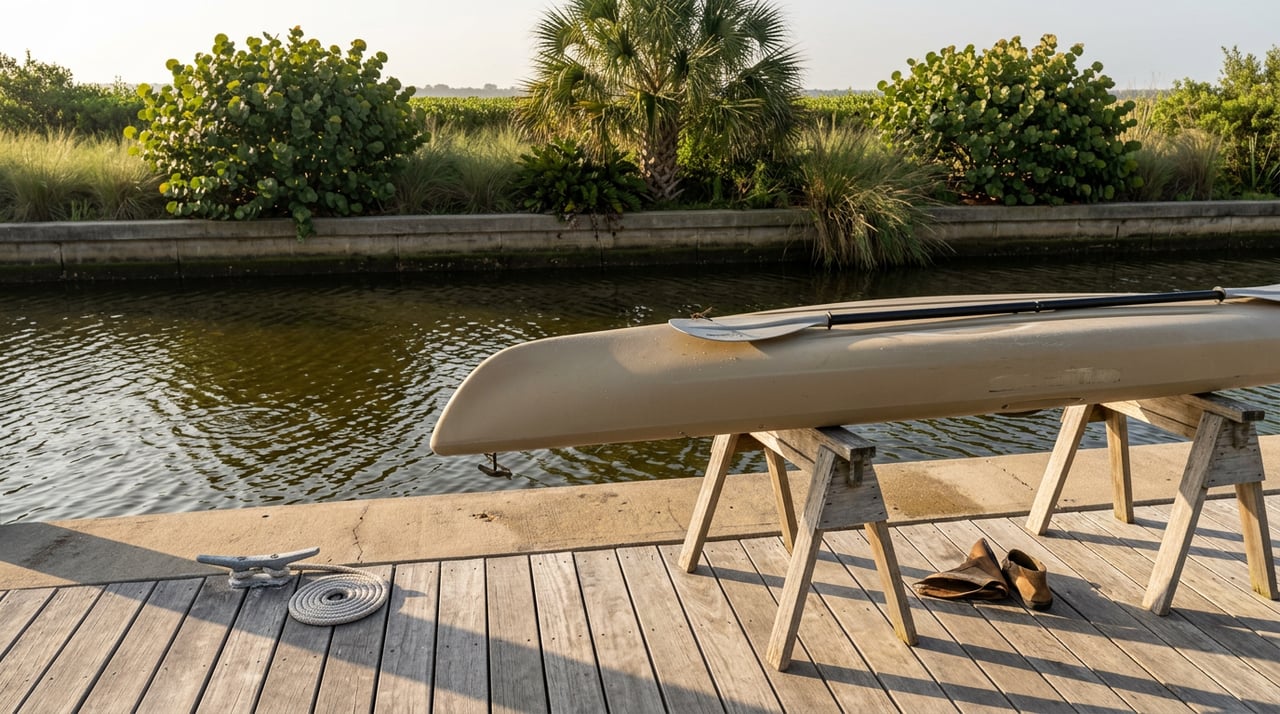
Water access can be a major advantage
Tourism sources consistently highlight marinas, boat ramps, and water-facing lodging. Visit Florida points to marinas and boat rentals in Homosassa, and local tourism coverage emphasizes public launch points and river activity.
If you are comparing homes, pay close attention to:
- Distance to the river or launch access
- Dock potential, if applicable
- Trailer and boat parking space
- Outdoor areas for rinsing gear
- Storage for fishing, paddling, or scalloping equipment
In a market built around outdoor recreation, these practical details can matter more than luxury extras.
Location often matters as much as size
Guests usually pick Homosassa for a specific experience. They may want easy access to Homosassa Springs Wildlife State Park, launch points, boat tours, or seasonal scalloping activity.
That is why a smaller property in a better location may be more useful than a larger home farther from the action. When you tour homes, think like a guest. Ask yourself how easy it would be to get from the property to the experiences that bring people to Homosassa in the first place.
Review Flood Risk Early
In Homosassa, flood risk should be part of your first round of due diligence, not an afterthought. Waterfront and low-lying areas can affect both insurance costs and monthly carrying expenses.
FEMA's flood map resources make clear that flood risk should be checked by address, and flood damage is generally not covered by a standard homeowners policy. Flood insurance is a separate policy, which means your real ownership cost may be higher than the list price suggests.
Before you write an offer, it is wise to review:
- The property's flood zone
- Current insurance availability and estimated premiums
- Lender requirements for flood coverage
- Your reserve plan for storm-related costs
This step is especially important for buyers looking at river-access or waterfront homes.
Know the Licensing Rules
If you plan to rent out the whole home on a short-term basis, Florida licensing rules are a key part of the process. This is one of the most important items to verify before you close.
According to the Florida DBPR vacation rental guide, most whole-home short-term rentals need a Vacation Rental - Dwelling license. That category applies to single-family homes, townhouses, duplexes, triplexes, and quadruplexes used this way.
The same guide also outlines basic operating expectations, including:
- Keeping the unit clean, safe, and in good condition
- Displaying required licenses
- Cleaning linens between guests
- Sanitizing dishes and glassware if provided
- Keeping the property free of vermin
These are not small details. They are part of what turns a property into a compliant, guest-ready rental.
Plan for Taxes and Ongoing Costs
Many buyers focus on purchase price and projected nightly rates, but the real picture depends on recurring costs. In Homosassa, taxes, licensing, and insurance should all be part of your math.
State and local taxes add up
The Florida Department of Revenue lists Florida's general state sales tax at 6%. Citrus County's local transient rental tax is 5%, and the county's current discretionary sales surtax is 0.00%.
That means a standard transient rental generally carries an 11% combined tax burden before platform fees or other charges. If you are running projections, build that into your income planning from the start.
Registration is required before business begins
If you will collect taxable rental charges, you should register with the state before operating. The Florida Department of Revenue registration portal states that businesses must register each location to collect, report, and pay sales tax.
That makes pre-closing planning important. You do not want to finish your purchase and then realize you are still missing a required setup step.
License fees should be budgeted too
The DBPR guide says the fee structure includes a $50 new application fee, a $10 Hospitality Education Program fee, and license fees that vary by timing and unit count. For a single rental unit, the full-year fee is $170 and the half-year fee is $90, with Citrus County in District 3 and an annual renewal date of February 1.
On their own, these fees may not seem large. But together with furnishing, cleaning, maintenance, insurance, and taxes, they help shape your actual break-even point.
Check Code Compliance and Local Rules
Florida law places limits on how local governments regulate vacation rentals, but that does not remove the need for careful due diligence. You still need to make sure the property can operate within applicable building and safety requirements.
Under Florida Statute 509.032, local ordinances may not prohibit vacation rentals or regulate the duration or frequency of rental of vacation rentals, while enforcement tied to the Florida Building Code and Florida Fire Prevention Code is still allowed.
For you, the practical takeaway is simple. Verify the state licensing path, tax registration, and property condition early, and make sure the home is set up to meet code-related expectations.
Buy for Guest Experience, Not Just Price
A low purchase price can look attractive, but the best vacation rental decisions usually come down to usability. In Homosassa, guests are often planning active, outdoor trips rather than resort-style stays.
That means they may care most about things like:
- Fast access to water-based activities
- Simple parking for cars, trailers, or boats
- Outdoor cleanup areas
- Easy storage for wet gear
- A location close to wildlife or tour experiences
If a property supports the way people actually use Homosassa, it may be better positioned than a home that looks good on paper but feels inconvenient in practice.
Work With a Local Strategy
Buying a vacation rental in Homosassa is not just about finding a nice house. It is about matching the property to how this market really works, from manatee season and scalloping traffic to flood risk, licensing, and taxes.
When you evaluate homes through that lens, you can make a more confident decision and avoid expensive surprises later. If you want help comparing river-access properties, understanding the local market, or narrowing down a smart purchase in Citrus County, connect with Brian Kupres for practical, local guidance.
FAQs
What should you look for in a Homosassa vacation rental property?
- You should focus on water access, proximity to launch points and attractions, flood risk, parking, dock potential, and how easily guests can handle boating or outdoor gear.
Does a Homosassa short-term rental need a Florida license?
- In many cases, yes. The Florida DBPR vacation rental guide says most whole-home short-term rentals need a Vacation Rental - Dwelling license.
What taxes apply to a vacation rental in Homosassa, Florida?
- A standard transient rental generally includes Florida's 6% state sales tax plus Citrus County's 5% local transient rental tax, for an 11% combined tax burden before platform fees and other charges.
Why is flood insurance important for a Homosassa vacation rental?
- FEMA notes that flood risk should be checked by address and that flood damage is usually not covered by standard homeowners insurance, so flood insurance can significantly affect your carrying costs.
When is the busiest season for Homosassa vacation rentals?
- Winter is important for manatee-related travel, especially from late November through early March, and summer demand rises during scalloping season from July 1 through Sept. 24.