Thinking about selling your Spring Hill home and wondering where to start? You are not alone. The steps from first call to closing can feel overwhelming, especially with local factors like septic systems, HOAs, flood zones, and WDO (termite) inspections. This guide gives you a clear, step-by-step checklist tailored to Spring Hill and Hernando County so you can prepare with confidence, avoid delays, and protect your bottom line. Let’s dive in.
Spring Hill sale timeline
- First call and planning: Day 0 to 7. Meet with your agent, set goals, review the home, and agree on a pricing and prep plan. Decide who will coordinate vendors and what goes on your timeline.
- Pre-listing prep: 1 to 3 weeks. Declutter, deep clean, handle repairs, gather documents, and schedule photos. Consider a pre-listing WDO or general inspection for older homes.
- Listing and showings: Variable. Photos, floor plan, online listing, and showings. Time to contract can be days to a few months depending on price and condition.
- Under contract: 7 to 21 days for inspections and appraisal. You review repair requests and negotiate credits or repairs.
- Title and closing prep: Through closing date. Title search, payoffs, and settlement statement. Final walkthrough 24 to 48 hours before closing.
- Closing day: Often 30 to 45 days after contract for financed buyers. Cash deals can close faster.
Pre-listing prep checklist
Confirm local property details
- Utilities. Confirm if your home is on county water/sewer or a private well and septic. If septic, gather pumping and inspection records and any permits.
- Flood zone. Check your FEMA flood zone designation and know if buyers may ask about flood insurance.
- HOA. If you have an HOA, locate covenants, rules, and contact details so an estoppel letter can be ordered early.
Make high-impact updates first
- Clean and declutter. Pack away extras and personal items. Clear counters and closets to show storage.
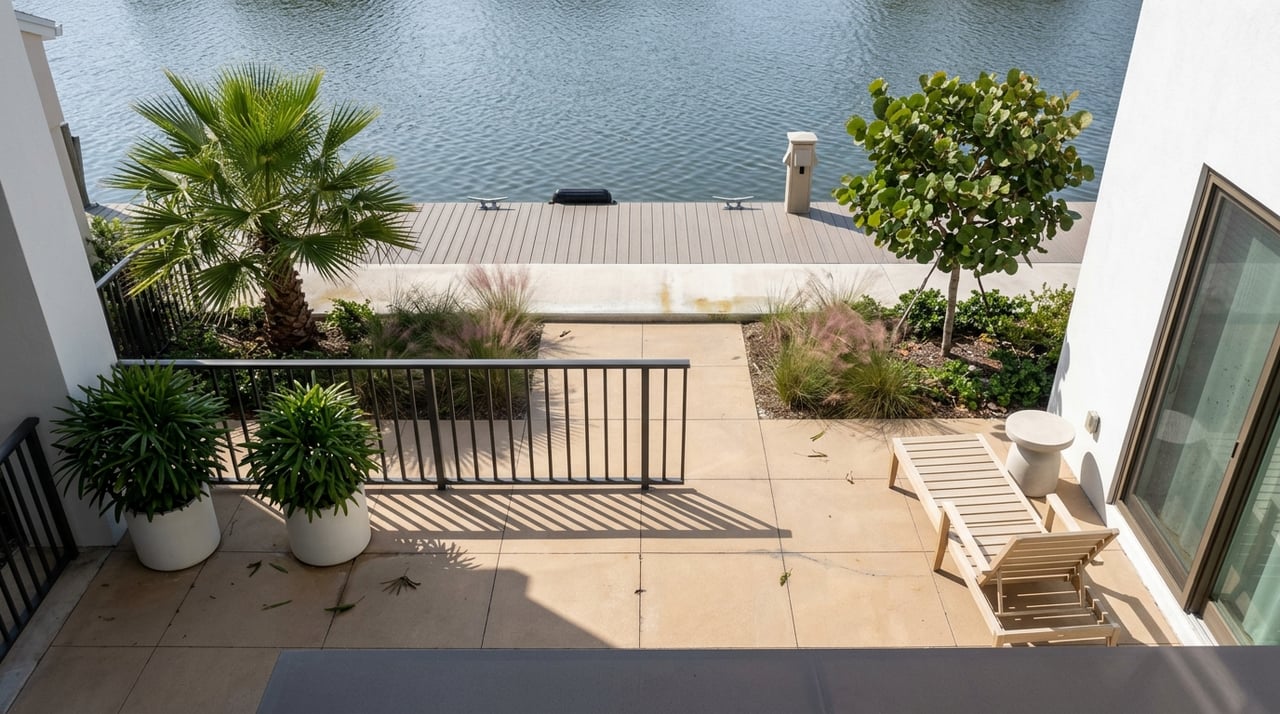
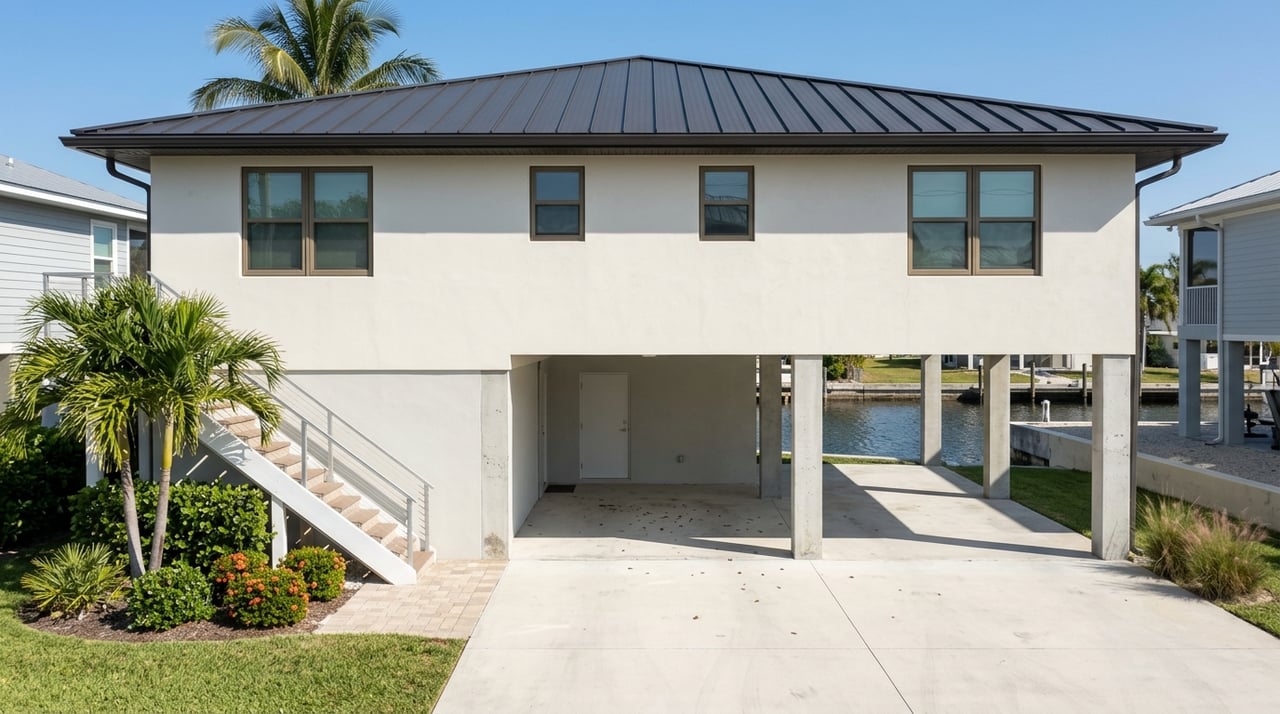
- Curb appeal. Mow, edge, trim shrubs, refresh mulch, power wash if needed, and replace worn house numbers or a broken mailbox.
- Minor repairs. Fix leaky faucets, sticky doors, cracked tiles, torn screens, and replace burnt bulbs.
- Paint and flooring. Use fresh, neutral paint where there is heavy wear or bold colors. Clean carpets and consider affordable fixes for damaged flooring.
- Deep clean. Focus on kitchens, baths, windows, baseboards, and vents so the home photographs well.
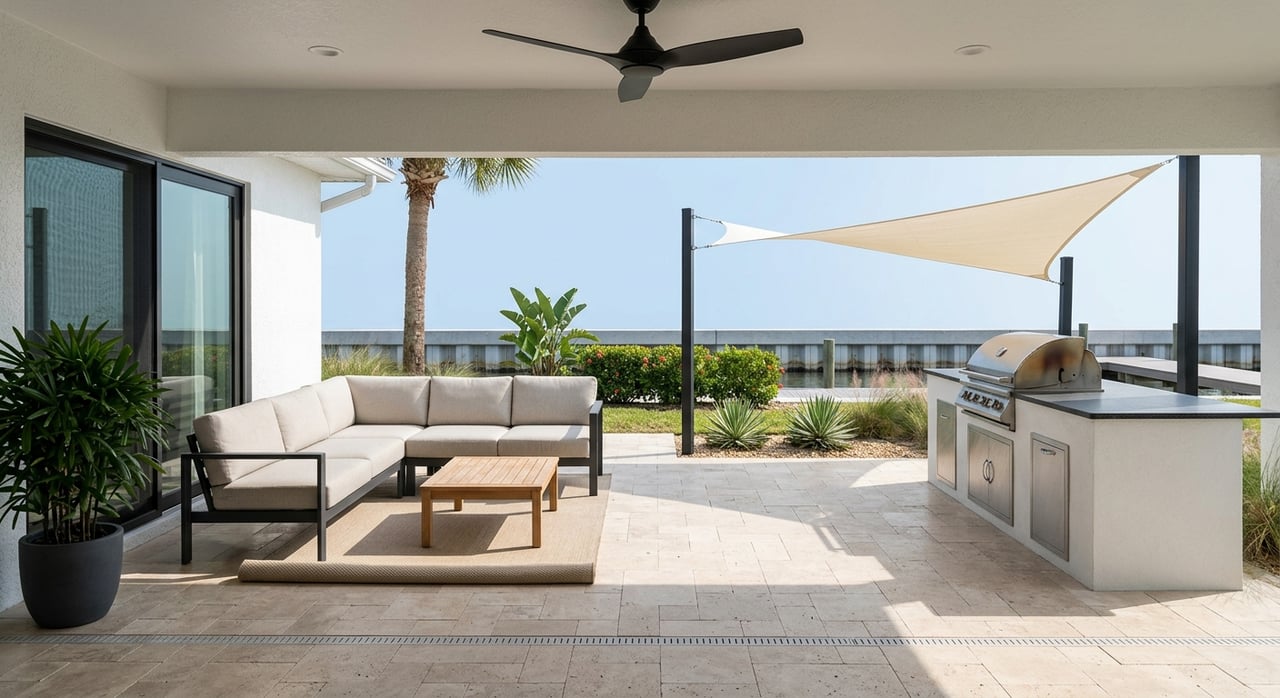
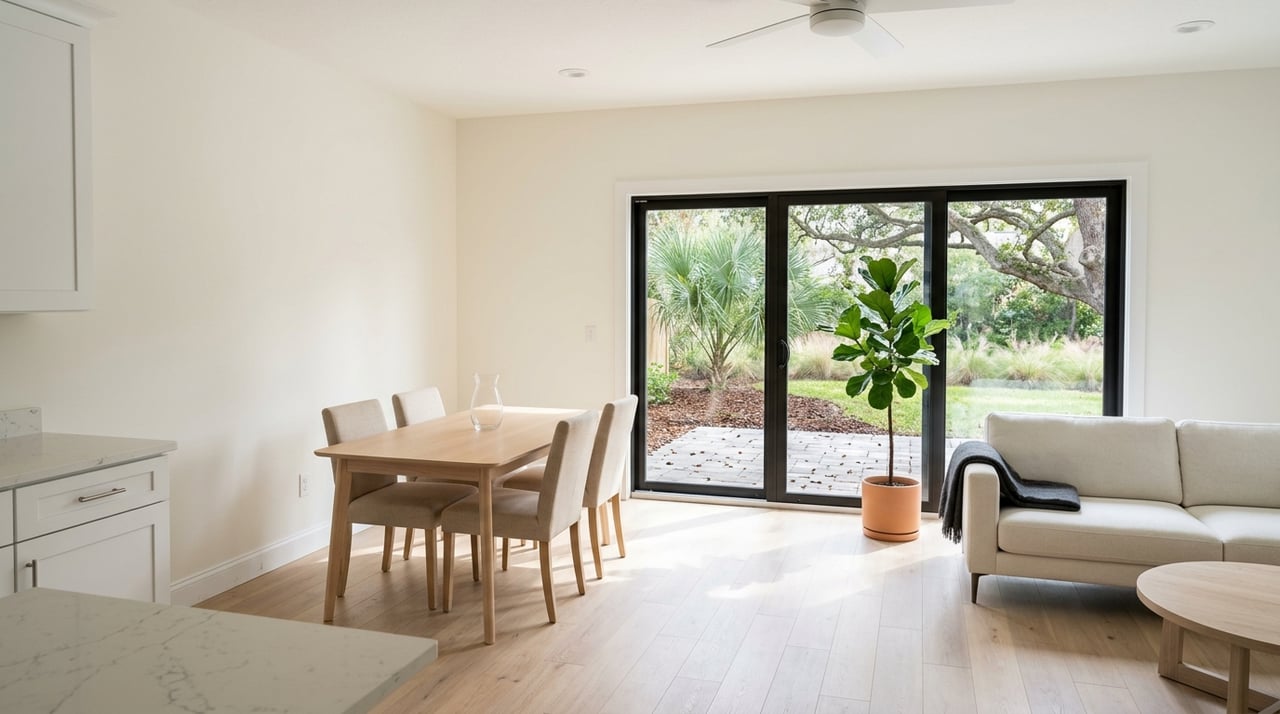
- Staging and photos. Arrange furniture for flow, add simple neutral touches, and book a professional photographer.
Consider pre-listing inspections
- WDO (termite) inspection. Common in Florida. Getting ahead of it can reduce surprises during the buyer’s inspection.
- Targeted checks. If your roof, HVAC, or septic is older or unknown, consider an evaluation so you can price and negotiate with clarity.
Plan your showing strategy
- Access. Decide on lockbox or agent-accompanied showings and set clear time windows.
- Pets and odors. Arrange pet care and remove odor sources. Keep the home show-ready during the listing period.
- Highlights sheet. Create a one-page fact sheet with updates, utility averages, system ages, and neighborhood notes for buyer reference.
Documents to gather early
- Ownership and loan info. Deed, current mortgage statement, and any second lien or HELOC details.
- Property taxes and parcel ID. Recent tax bill and parcel number for prorations.
- Survey or plot plan. Provide a copy if you have one.
- Title policy. If you have an owner’s title policy, keep it handy for the title company.
- Seller’s Property Disclosure. Complete the Florida form with any known defects or past repairs.
- Warranties and receipts. Appliance manuals, HVAC service records, roof receipts, and permits for improvements.
- HOA documents. Covenants, bylaws, contact information, and recent statements if applicable.
- Septic records. Pumping history, inspections, and permits if on septic.
- Permits and final inspections. For additions or renovations, pull any permits or final inspection documents you have.
- Lead-based paint disclosure. For homes built before 1978 where federal rules apply, be prepared to complete the required disclosure.
Tip: The earlier you collect these, the fewer roadblocks you face when a buyer asks or the title company begins its work.
Pricing with local context
- Look at local comps. Base your price on recent Spring Hill and Hernando County sales for similar homes, condition, and features.
- Factor market pace. Mortgage rates and inventory levels influence buyer traffic and time on market. Expect time to contract to vary.
- Show your value. Clean presentation, clear disclosures, and complete records can support stronger offers and smoother appraisals.
Showings made simple
- Keep it spotless. Maintain a light, uncluttered setup so you can host showings on short notice.
- Light, temperature, and access. Open blinds, set comfortable temps, and keep walkways clear.
- Leave during tours. Give buyers space to explore and talk freely.
- Secure valuables. Store documents, medication, and small valuables out of sight.
- Feedback loop. Ask your agent to share buyer feedback so you can adjust quickly.
Inspections and appraisal
What buyers usually inspect
- General home inspection. Covers roof, electrical, plumbing, HVAC, and structure for safety or condition issues.
- WDO inspection. Standard in Florida. If there is active activity, treatment is often requested and negotiated.
- Specialty inspections. Roof, pool, septic, HVAC, or mold assessments may be ordered depending on your property.
- Septic specifics. If your home has a septic system, expect an inspection or certification request. Pumping or repairs may be negotiated.
Handling repair requests
- Prioritize safety and system issues. Address items that present safety or code concerns first.
- Use estimates. Get written quotes from licensed contractors so you can weigh repairs versus credits.
- Choose your approach. Repair before closing, offer a closing credit, or hold firm and adjust price only if needed.
Appraisal and financing checkpoints
- Appraisal outcomes. If the appraisal is below contract price, options include adjusting price, offering a limited gap credit, or working with the buyer to challenge using recent comps.
- Timelines matter. Track financing contingency dates and lender milestones to prevent delays.
Title, closing, and move-out
Title and payoff basics
- Title search. The title company reviews ownership, liens, and any encumbrances. They also prepare the settlement statement.
- Payoff statements. Request mortgage and lien payoffs early and verify amounts.
- Closing costs. Expect a settlement statement that lists commission, prorated property taxes, HOA fees, payoffs, and recording or title fees. Final who-pays details follow the contract.
Final walkthrough and possession
- Walkthrough timing. Buyers usually walk through 24 to 48 hours before closing. Complete agreed repairs and leave receipts.
- Condition on handoff. Plan to deliver the home broom-clean with keys, remotes, gate access, and alarm codes ready.
- Possession plan. Confirm the exact date and time you will vacate. If you need post-closing occupancy, put it in writing.
Closing day checklist
- Bring a valid photo ID.
- Review and sign closing documents and affidavits.
- Confirm proceeds and wire details directly with the title company by phone to avoid wire fraud.
- Hand over all keys, garage remotes, gate fobs, and any manuals or warranties.
- Keep copies of your final settlement statement and recorded deed for your records.
Avoid local pitfalls
- Septic surprises. Older Spring Hill homes often have septic systems. Lack of recent pumping or unknown system condition can delay closing. Get records and consider a pre-listing check.
- Flood zone and insurance. Parts of Hernando County fall in FEMA flood zones. Know your zone early and be ready to discuss insurance expectations with buyers.
- WDO treatment. Florida has higher WDO activity. Plan for an inspection and possible treatment requests.
- Unpermitted work. Older additions without permits can trigger buyer concerns. Collect any permit records you have up front.
- HOA estoppel letters. If your subdivision has an HOA, order the estoppel early to avoid last-minute delays.
How a local team helps you
A neighborhood-savvy, family-run team can simplify every step so you can focus on your move.
- Initial coordination. Host an in-home consultation, provide a tailored pre-listing checklist and timeline, and outline a clear marketing plan with photography and showing instructions.
- Vendor support. Share a recommended list and help schedule local pros for staging, landscaping, small repairs, licensed contractors, WDO and septic inspections, and real estate photography.
- Documentation and compliance. Supply standard Florida disclosure forms, help you understand what permits and records to collect, and coordinate with a local title company to start payoffs and recording prep early.
- Offer management. Maintain a showing calendar and feedback loop, present offers in writing, and negotiate terms and timelines.
- Timeline tracking. Monitor inspection, appraisal, and financing milestones, and collaborate with the buyer’s agent and lender to keep the file on track.
- Closing logistics. Review the settlement statement ahead of time, confirm safe wire procedures, and manage the transfer of keys, remotes, and codes.
Selling your Spring Hill home does not have to be stressful. With the right plan, clear communication, and local know-how, you can move from first call to closing with confidence. If you want a tailored checklist and hands-on coordination from a local family team, connect with Brian Kupres to get started and Get Your Free Home Valuation.
FAQs
How long does it take to sell a Spring Hill home?
- Financed sales commonly close in 30 to 45 days after going under contract, while cash buyers can close faster, and time to find a buyer depends on price and condition.
What documents should I gather before listing in Spring Hill?
- Collect your deed, mortgage statements, recent tax bill and parcel ID, survey if available, title policy, Seller’s Property Disclosure, warranties and permits, HOA documents, and septic records if applicable.
Should I get a pre-listing inspection in Florida?
- It is optional but can help you uncover issues early; in Florida, many sellers consider a WDO check and targeted roof or HVAC evaluations to reduce surprises.
What is usually inspected by Florida buyers?
- Expect a general home inspection plus WDO, with possible specialty checks for roof, septic, HVAC, pool, or mold depending on your property and contract terms.
Who pays for termite or WDO treatment in a Florida sale?
- Responsibility is negotiated in the contract, though many buyers request the seller handle active treatment; review terms early and plan accordingly.
How do septic systems affect my Spring Hill sale?
- If your home has septic, buyers may request an inspection or certification, and repairs or pumping can be negotiated, so gather records and consider a pre-listing check.
Do I need flood insurance to sell my home?
- You do not need to carry it to sell, but if your property is in a designated flood zone, buyers and lenders may discuss insurance requirements and costs during negotiations.