Trying to decide whether to buy your next Homosassa home before you sell your current one? You are not alone. The timing can feel tricky, especially with waterfront options, seasonal demand, and insurance questions in the mix. This guide gives you a clear framework with local context so you can pick a path that fits your finances and your timeline. Let’s dive in.
What makes Homosassa different
Homosassa sits on Florida’s Nature Coast, where buyers often include retirees, seasonal owners, and local workers. That mix can create seasonal swings in inventory and showing activity. You want a plan that accounts for when homes tend to hit the market and how quickly they move.
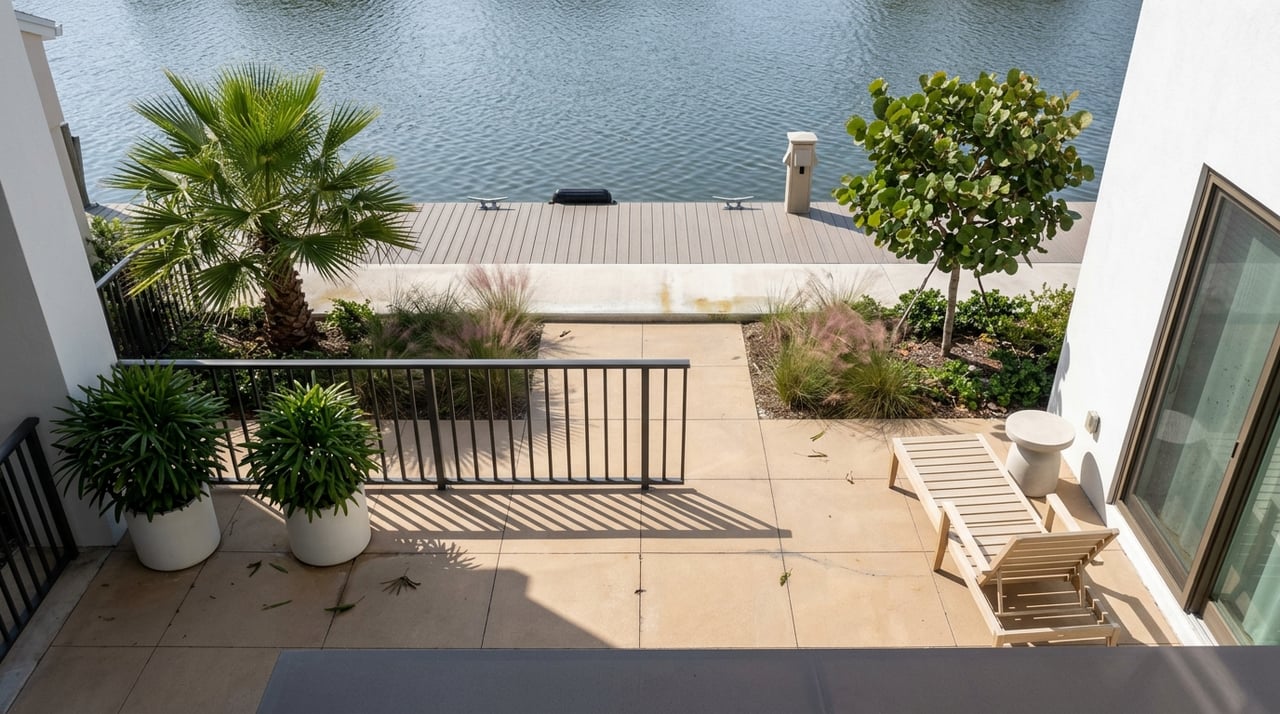
Coastal and riverfront properties bring specific checks. Flood zones and wind coverage can affect affordability and closing timelines. Start by reviewing a property’s flood zone using the FEMA Flood Map Service Center and get early quotes from your insurance agent.
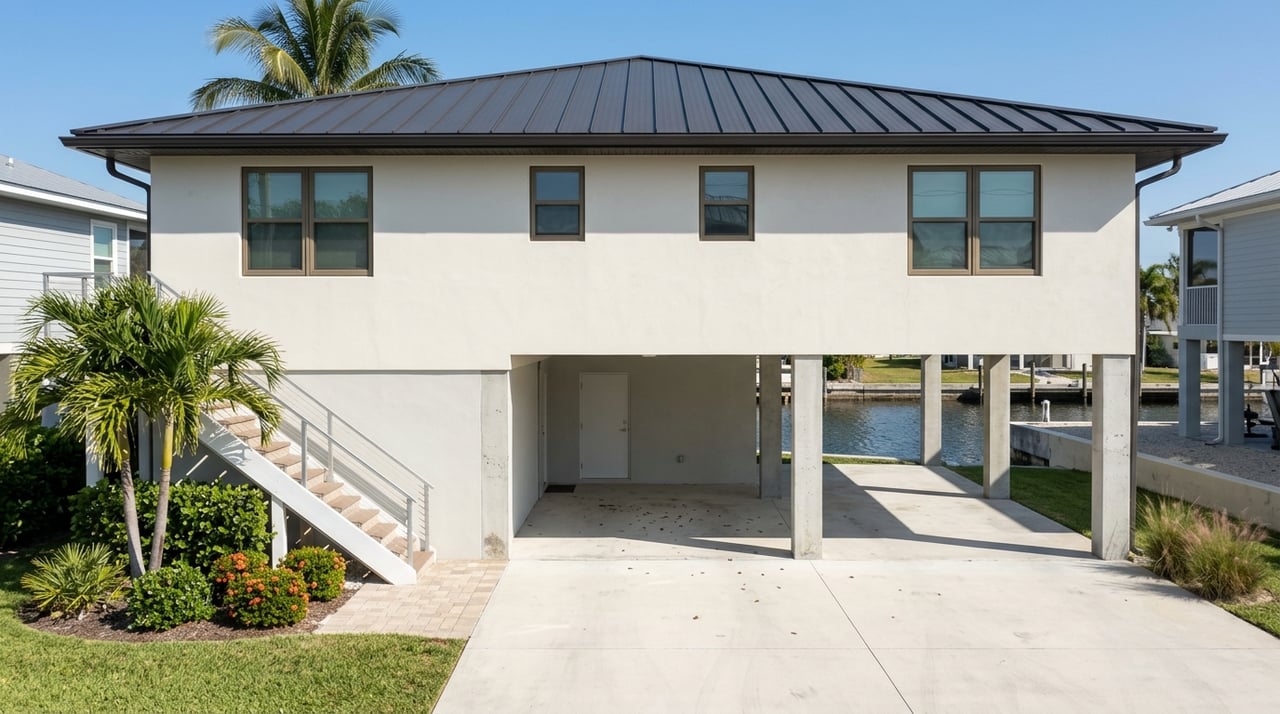
Older homes and unique features are common. Waterfront homes may need seawall or dock evaluations. Rural properties may use septic systems. These items can lengthen inspections and negotiations, so build buffer time into your plan. For broad county context and demographic trends, you can reference U.S. Census QuickFacts for Citrus County.
Buy first: when it works and what to watch
Buying your next home before selling your current one can give you control and less pressure.
Pros of buying first
- Stronger offer position without a home-sale contingency.
- More time to find the right place and move on your schedule.
- Easier to keep your current home show-ready because you have already moved.
- You avoid a temporary rental or storage between closings.
Cons and local cautions
- You may carry two mortgages, insurance, taxes, and utilities for a period.
- You need credit and reserves to qualify while your current home is unsold.
- If the market softens, your sale price could be lower than expected.
- Insurance costs in coastal and flood-prone areas can raise carrying costs. Confirm premiums before you commit.
Tips for Homosassa buyers
- Get full pre-approval for carrying two homes or line up a bridge loan or HELOC. Ask lenders about timing and fees.
- For waterfront options, budget for inspections like seawalls and docks. Build time in case repairs need quotes.
- Ask your insurance agent for wind and flood quotes while you shop. This can change your budget and your target areas.
Sell first: when it fits better
Selling before you buy can be the safer financial route if you want a clear budget and less risk.
Pros of selling first
- You avoid carrying two mortgages.
- You know your net proceeds, which sets a clean budget for your purchase.
- You can focus on getting your home ready to attract strong offers.
Cons and local cautions
- You might need short-term housing or a storage plan between closings.
- Purchase offers with home-sale contingencies are often weaker in competitive segments.
- If you sell during a low-inventory season, finding a replacement can take longer.
Tips for Homosassa sellers
- Consider a post-closing occupancy (rent-back) to stay in your home for a short period after closing.
- If your property is unique or waterfront, expect a different buyer pool and possibly a longer marketing window.
- Work with your agent to set realistic pricing and staging based on current Citrus County data.
Hybrid strategies that bridge the gap
If buying first or selling first both feel risky, you can blend approaches.
- Short-term rental after you sell, while you shop for the right fit.
- Post-closing occupancy (seller rent-back) so you can stay for days or weeks after closing with a written agreement.
- Home-sale contingency when you buy, with firm deadlines to keep your offer competitive.
- Bridge loan or HELOC to fund the down payment before your sale closes.
These tools have costs and terms. Your lender, agent, and closing team can help you compare options.
Florida contracts, timelines, and insurance basics
Florida’s standard purchase contracts allow for inspections, financing, and other contingencies. Deadlines matter. Work closely with your agent to set dates that match your situation. For contract norms and process guidance, see Florida Realtors resources.
- Typical contract-to-close timelines: about 30 to 45 days with financing. Cash can close faster.
- Post-closing occupancy is negotiated in writing. Expect daily rent, deposits, and liability terms.
- State documentary stamp taxes apply to deeds and some mortgages. For current guidance, review the Florida Department of Revenue.
- Federal home sale gain exclusions may apply to your primary residence. Review rules at the IRS home sale guidance.
- For homestead exemption and assessed value info, visit the Citrus County Property Appraiser. Planning and permitting resources are at the Citrus County government site.
Costs to plan for
Planning ahead helps you avoid surprises. Confirm numbers with your lender, title company, and insurance agent.
- Selling costs: brokerage fees, staging, pre-listing repairs, concessions, prorated taxes, state documentary stamps and recording fees.
- Buying costs: down payment, lender fees, title and escrow fees, prepaid property taxes, homeowners insurance, and flood insurance if required.
- Carrying two homes: mortgage payments, insurance, taxes, utilities, and maintenance. Stress test 3 to 6 months.
- Moving and storage: local moves cost less than long-distance. Add a buffer if you expect a gap between closings.
A simple decision framework you can use
Use this checklist to choose your path with confidence.
1) Gather your facts
- Request a current CMA to estimate market value and net proceeds.
- Get pre-approval for both scenarios: buying while carrying your current home and buying after you sell. Ask about bridge loans and HELOCs.
- Pull flood zones for homes you like using the FEMA map tool and request early insurance quotes.
- Review county resources for homestead rules and parcel information at the Citrus County Property Appraiser.
2) Stress test the money
- Model 3 to 6 months of two-home carrying costs.
- Set your minimum acceptable sale price and target net proceeds.
- Confirm emergency reserves in case closing dates shift.
3) Map your timing
- Do you have a firm move date from a job, lease end, or life event? If yes, weight certainty heavily.
- Do you need specific features that are rare, like certain waterfront characteristics? If yes, buying first may be worth it.
4) Choose your safety nets
- If buying first, line up bridge financing or a HELOC and confirm terms in writing.
- If selling first, negotiate post-closing occupancy or plan a short-term rental.
- If using a home-sale contingency, set clear deadlines to reduce seller concern.
5) Build the right local team
- Homosassa agent with waterfront and seasonal experience.
- Local lender comfortable with bridge loans and simultaneous closings.
- Title company that can coordinate two closings cleanly. For recording and official records, see the Citrus County Clerk of Court.
- Insurance agent who understands wind and flood coverage.
- Inspectors familiar with septic, roof, and coastal elements.
Example timelines
If you buy first
- Week 1 to 2: Full pre-approval for carrying two homes or bridge/HELOC. Begin active home search and insurance quotes.
- Week 3 to 6: Negotiate purchase, complete inspections, firm up financing, and schedule closing.
- Week 6 to 10: Close on new home. Move, then list your current home show-ready.
- Week 10 to 18: Sell and close on your current home. Pay off bridge/HELOC if used.
If you sell first
- Week 1 to 4: Prep, repairs, photos, listing launch. Plan post-closing occupancy or short-term housing.
- Week 4 to 10: Receive offers, negotiate terms, and go under contract.
- Week 10 to 14: Close on sale. Use post-closing occupancy or short-term rental while shopping.
- Week 10 to 18: Make offers on your replacement with a clean budget and flexible timing.
When buying first makes sense
- You have strong reserves and can carry two homes comfortably.
- You need a rare feature set or specific waterfront characteristics.
- Inventory for your target homes is tight and you do not want to miss the right property.
When selling first is safer
- Carrying two homes would strain your budget.
- You need a clear budget from net proceeds before making an offer.
- You prefer less risk and can handle short-term housing.
Local due diligence that saves time
- Flood zones and elevation certificates for low-lying or waterfront areas.
- Seawall, dock, and permit history for waterfront properties.
- Septic system inspection and age, if applicable.
- Roof, HVAC, and termite/pest inspections, especially for older homes.
- County planning and floodplain resources at the Citrus County government site.
Choosing to buy first or sell first in Homosassa is personal. When you match your cash flow, timing, and risk comfort to the right tools, you move with confidence. If you want a local plan tailored to your home and neighborhood, reach out to Brian Kupres for a friendly strategy session.
FAQs
What should I check first if I want to buy in a Homosassa flood zone?
- Start with the property’s flood zone at the FEMA Flood Map Service Center and request wind and flood insurance quotes early to confirm total monthly costs.
How long does a financed Florida purchase usually take from contract to close?
- Many financed transactions close in about 30 to 45 days, while cash deals can close sooner depending on inspections and title work.
Can I stay in my home after closing if I sell first?
- Yes, a post-closing occupancy (rent-back) can be negotiated in the contract with daily rent, deposits, and liability terms clearly outlined in writing.
What Florida taxes or fees should I expect at closing?
- Florida documentary stamp taxes apply to deeds and some mortgages; review current rules with your title company and the Florida Department of Revenue.
Will I owe federal capital gains tax when I sell my primary home?
- Many homeowners qualify for an exclusion on gains if ownership and use tests are met; see the IRS home sale guidance and consult your tax professional for your situation.